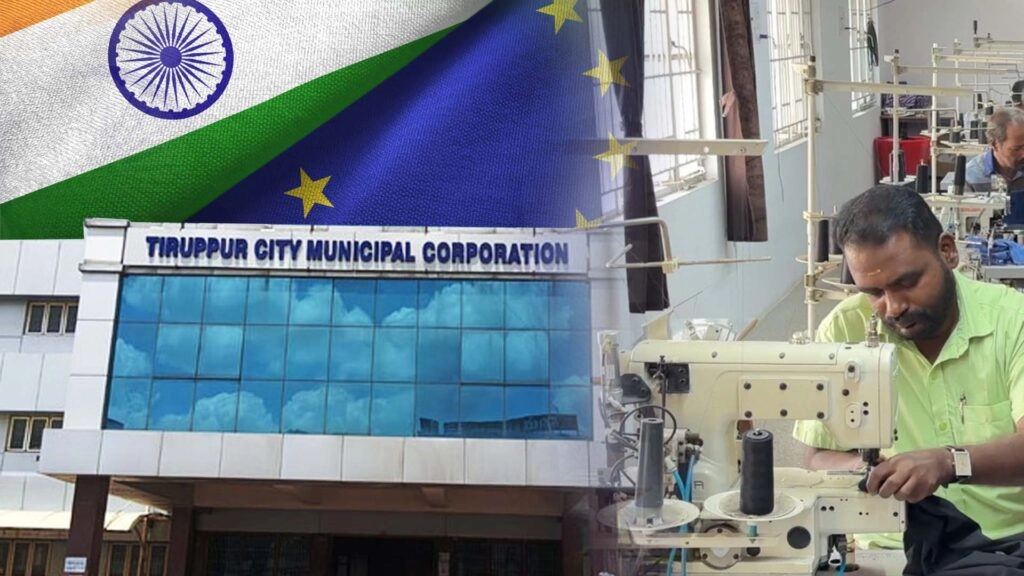
The textile industry in Tiruppur, a prominent hub in India known for its knitwear production, is experiencing a renewed sense of optimism with the potential for zero-tariff trade agreements. This development could significantly enhance the competitiveness of the region’s textile exports, particularly in key markets such as Europe and the United States. The prospect of reduced tariff barriers has reignited hopes among local manufacturers and suppliers, as it could lead to increased demand for their products on the global stage.
Historically, Tiruppur has been a powerhouse in the textile sector, contributing substantially to India’s overall textile exports. However, the industry has faced challenges such as fluctuating raw material prices and stiff competition from other countries. The introduction of zero-tariff trade agreements could serve as a game-changer, allowing Tiruppur’s manufacturers to offer more competitive pricing to international buyers. This could not only boost local production but also create job opportunities and stimulate economic growth in the region.
As stakeholders in the textile industry look forward to these potential trade agreements, there is a growing emphasis on enhancing the quality and sustainability of their products. Many manufacturers are investing in eco-friendly practices and innovative technologies to meet the increasing demand for sustainable textiles in global markets. By aligning themselves with international standards, Tiruppur’s textile producers are positioning themselves to take full advantage of favorable trade terms and secure a more substantial share of the global textile market.
In conclusion, the prospects of zero-tariff agreements have rekindled hope within Tiruppur’s textile industry, offering a path towards revitalization and growth. With the right strategies in place, including a focus on quality and sustainability, Tiruppur could reclaim its status as a leading exporter in the global textile landscape. The coming months will be crucial as industry players navigate these opportunities and challenges, aiming to strengthen their foothold in an increasingly competitive market.