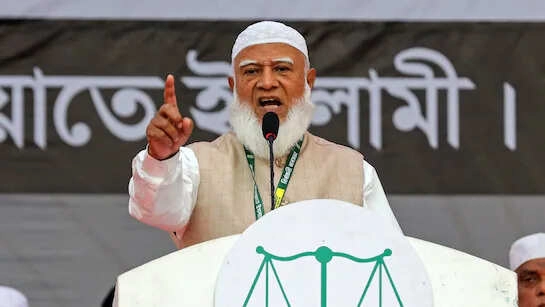
The Jamaat-e-Islami party has expressed strong discontent following its electoral defeat, making significant remarks regarding India. The party, which holds a prominent position in the political landscape, has often been vocal about its perspectives on regional and international issues. In the wake of their recent losses, party leaders have articulated their concerns over the implications of India’s policies and actions in the region.
They have criticized what they perceive as an aggressive stance taken by the Indian government, particularly towards neighboring countries and marginalized communities within India itself. The Jamaat-e-Islami has accused India of fostering an environment of intolerance and discrimination, which they believe undermines peace and stability in South Asia. The party’s leaders argue that the electoral outcome reflects a growing disillusionment among the populace regarding the current political direction and its ramifications on communal harmony.
Furthermore, the Jamaat-e-Islami has called for greater unity among various factions within the region to counteract what they view as a threat posed by India’s assertive policies. They emphasize the need for a collective response to safeguard the rights of minorities and promote a more inclusive political discourse. The party’s remarks highlight the ongoing tensions in South Asian politics, emphasizing the critical need for dialogue and cooperation to address the underlying issues that continue to fuel conflict and division.
In summary, the Jamaat-e-Islami’s reaction to their electoral defeat underscores broader concerns regarding India’s role in the region and the implications of its policies on communal relations and regional stability. The party’s call for unity and dialogue reflects a desire for a more peaceful and equitable political environment, particularly for those who feel marginalized in the current political climate.