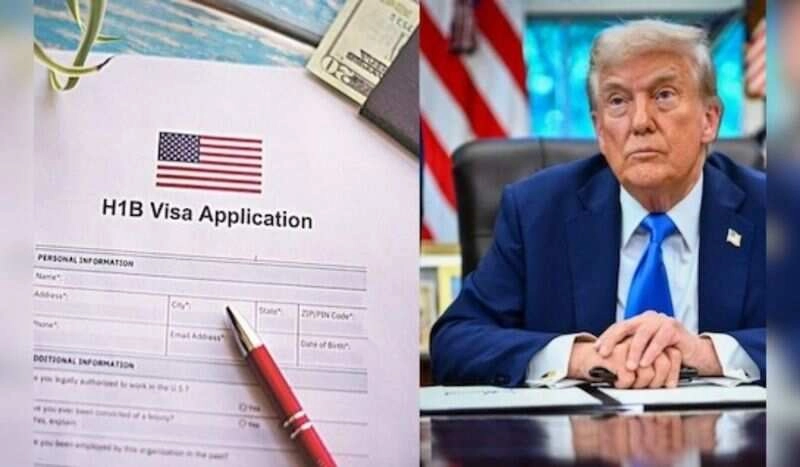
In a significant development in the United States, a bill has been introduced in Congress aimed at abolishing the H-1B visa program. This visa has been a vital pathway for many skilled foreign workers, particularly professionals from India, seeking employment in the U.S. tech industry and other sectors. The H-1B visa has allowed companies to hire foreign talent in specialized fields where they may face a shortage of skilled labor. However, the introduction of this bill raises concerns about the future of thousands of Indian professionals who have relied on this visa to advance their careers and contribute to the U.S. economy.
The proposed legislation has sparked a heated debate among policymakers, labor organizations, and the tech industry. Proponents argue that the H-1B visa program has been exploited by some companies to hire cheaper labor instead of investing in American workers. They believe that abolishing the program could lead to more job opportunities for U.S. citizens. On the other hand, critics warn that ending the H-1B visa could exacerbate the skills gap in the technology sector, hindering innovation and growth. Many tech companies, which depend on this influx of skilled professionals, have voiced their opposition to the bill, emphasizing that foreign talent is essential to maintaining their competitive edge in a rapidly evolving global market.
For Indian professionals currently in the U.S. on H-1B visas or those aspiring to work in the country, this legislative move could have far-reaching implications. It may lead to increased uncertainty regarding their job security and future employment opportunities. Additionally, many individuals and families who have already invested significant time and resources in the visa application process may find themselves in a precarious situation. The potential elimination of the H-1B visa program could also drive many skilled workers to seek opportunities in other countries, thereby impacting the U.S. economy and its standing as a global leader in technology and innovation.
As the bill progresses through Congress, it will be crucial for stakeholders to engage in meaningful dialogue to address the concerns surrounding the H-1B visa program. Finding a balanced approach that protects American workers while also recognizing the value of international talent will be essential for fostering a thriving economy. The outcome of this legislative effort will not only shape the future of the H-1B visa but could also set a precedent for how the U.S. approaches immigration policy related to skilled labor in the years to come.