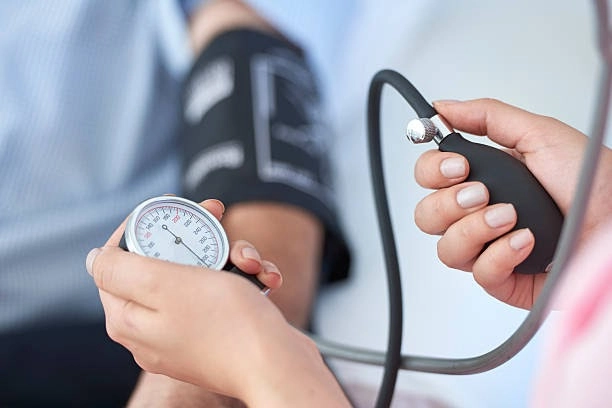
High blood pressure, or hypertension, can have various implications for an individual’s health, encompassing both positive and negative aspects. Understanding these can help in managing the condition more effectively.
On the positive side, some individuals may find that high blood pressure can lead to increased awareness of their health. This heightened vigilance often prompts lifestyle changes such as improved dietary habits, increased physical activity, and stress management techniques. Additionally, being diagnosed with hypertension can encourage regular medical check-ups, allowing for early detection of other potential health issues. Furthermore, some people report feeling a sense of empowerment as they take charge of their health, leading to a more proactive approach in managing their well-being.
Conversely, there are significant downsides to high blood pressure that cannot be overlooked. One of the most concerning aspects is the increased risk of serious health conditions, such as heart disease, stroke, and kidney damage. Hypertension often goes unnoticed, as it can be asymptomatic until severe complications arise. Moreover, managing high blood pressure can be a source of stress and anxiety for many, leading to a cycle of negative emotions that may further complicate health management. Lastly, the financial burden of treatment and medication can also weigh heavily on individuals, particularly if they require ongoing care and lifestyle adjustments.
In summary, while there are some positive aspects related to the awareness and lifestyle changes that can come with high blood pressure, the negatives far outweigh the positives. It is crucial for individuals to recognize the importance of monitoring their blood pressure and seeking appropriate interventions to mitigate the risks associated with hypertension. By doing so, they can work towards a healthier future while minimizing the adverse effects of this condition.