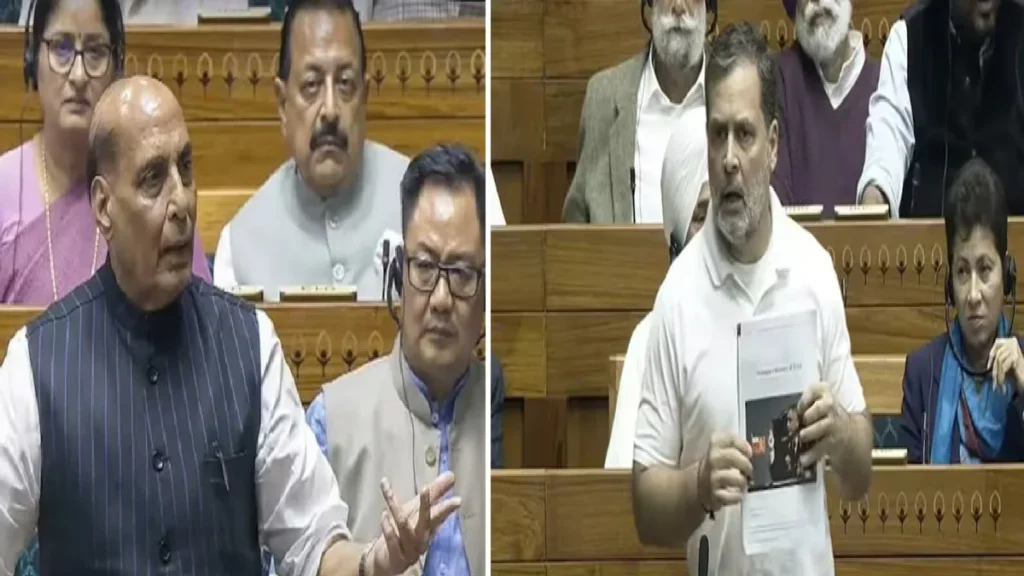
General Naravane, the former Chief of the Indian Army, has recently found himself at the center of a controversy surrounding his book. This situation has sparked considerable attention, as many are eager to hear his perspective on the matter. In his initial response, General Naravane emphasized the importance of dialogue and understanding in addressing the issues raised by readers and critics alike. He acknowledged that any publication, especially one related to military affairs, is bound to elicit varied reactions. His approach seems to prioritize constructive discussions over conflict, suggesting that he is open to engaging with those who have differing viewpoints.
The controversy surrounding his book appears to stem from various interpretations of his views on critical military strategies and historical events. General Naravane has stated that his intention was to provide insights based on his extensive experience in the armed forces, aiming to contribute to the broader discourse on national security. He expressed disappointment over some of the misunderstandings that have arisen, indicating a willingness to clarify his positions and intentions in future discussions. By addressing the controversy head-on, he seeks to foster a more informed debate about the topics covered in his work.
Furthermore, General Naravane highlighted the significance of literature in shaping public opinion and understanding of military operations. He believes that books like his own play a crucial role in demystifying the complexities of defense strategies and the challenges faced by the armed forces. In light of this, he invites readers to delve deeper into the content of his book and engage with the material critically rather than forming opinions based solely on sensational headlines. His response reflects a commitment to transparency and an understanding of the responsibility that comes with sharing personal insights from a distinguished military career. As the situation develops, it will be interesting to see how the discourse evolves and whether it leads to a more nuanced understanding of the topics he addresses.