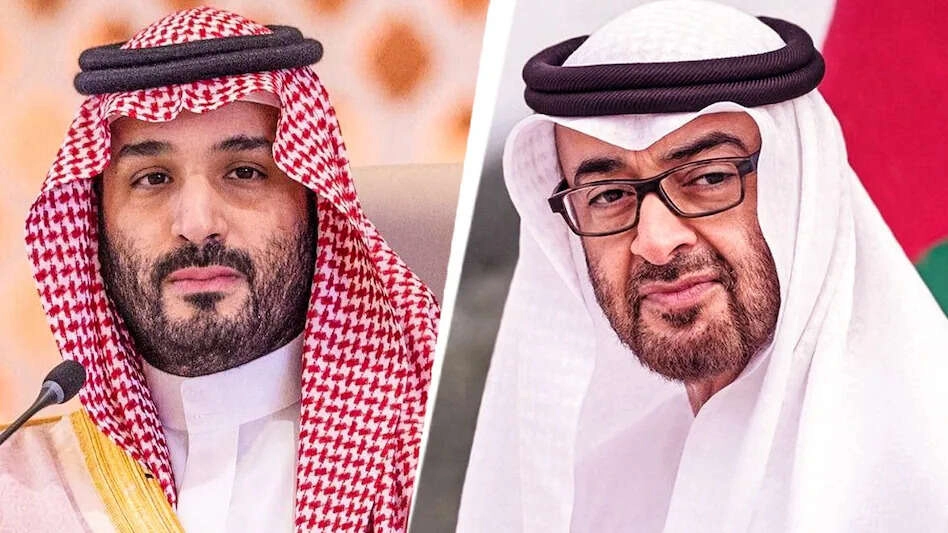
Saudi Arabia is currently facing a significant crisis, with Crown Prince Mohammed bin Salman finding himself entangled in three distinct fronts within just a week. The situation has escalated tensions both domestically and internationally, raising concerns about the stability of the region and the effectiveness of the Saudi leadership.
The first front involves the ongoing conflict in Yemen, where Saudi Arabia has been engaged in a protracted war against Houthi rebels. Despite years of military intervention, the conflict shows no signs of resolution, and recent escalations have reignited fears of a humanitarian disaster. The Houthis have intensified their attacks, targeting Saudi territory and challenging the crown prince’s vision of a stable and secure Saudi Arabia.
On the second front, relations with Iran have reached a boiling point. The long-standing rivalry between the two nations has been exacerbated by geopolitical shifts, including Iran’s growing influence in the region. Mohammad bin Salman has been vocal about his concerns regarding Iran’s activities, particularly its support for proxy groups in neighboring countries. This has led to heightened military posturing and a dangerous cycle of threats that could destabilize the entire Gulf region.
Lastly, the third front involves internal dissent and criticism within Saudi Arabia. The crown prince’s ambitious reforms, aimed at modernizing the economy and society through the Vision 2030 initiative, have faced backlash from conservative factions. Recent protests and social unrest indicate that not all segments of the population are on board with the rapid changes, creating a challenging environment for governance. As tensions rise on multiple fronts, it remains to be seen how Mohammed bin Salman will navigate these complex issues to maintain his grip on power and ensure the future stability of Saudi Arabia.