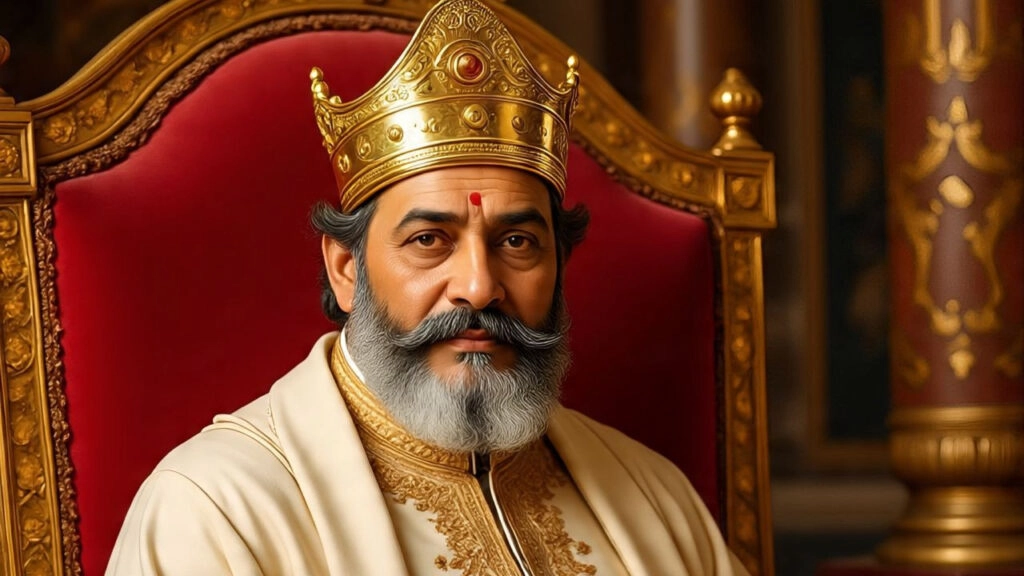
One of the most intriguing figures in the history of the Mughal Empire is Akbar’s finance minister, who played a crucial role in enriching the empire’s treasury through cunning and strategic maneuvering. This minister, whose name was Todar Mal, is often celebrated for his innovative reforms in revenue collection and fiscal management. Akbar, the third Mughal emperor, reigned during the late 16th century and was known for his progressive policies and efforts to consolidate power. Todar Mal’s contributions were instrumental in transforming the empire’s financial landscape, allowing it to flourish during a time of both military challenges and economic opportunities.
Todar Mal’s most remarkable feat was his ability to escape from enemy territories while safeguarding the empire’s wealth. During a period of conflict, he found himself in a precarious situation, surrounded by adversaries who sought to undermine the Mughal treasury. Displaying exceptional courage and intellect, he not only evaded capture but also managed to transport significant amounts of wealth back to Akbar’s stronghold. His daring escape was not just a physical one; it was a testament to his loyalty to the emperor and his understanding of the intricacies of warfare and finance.
In addition to his escape, Todar Mal is credited with introducing the revenue system known as the “Zabt,” which standardized tax collection based on agricultural yield. This system not only streamlined the collection process but also ensured that farmers were treated fairly, leading to increased agricultural productivity. His reforms helped establish a more stable economic environment, allowing the Mughal Empire to thrive. Through his innovative approaches, Todar Mal not only filled the coffers of the Mughal treasury but also laid the groundwork for sustainable economic practices that would benefit future generations.
In summary, Todar Mal stands out as a pivotal figure in Akbar’s administration, embodying the spirit of resilience and ingenuity. His ability to navigate the treacherous waters of political turmoil while significantly enhancing the empire’s financial health remains a remarkable chapter in Mughal history. His legacy is one of strategic brilliance, showcasing how effective leadership and innovative thinking can lead to prosperity even in the most challenging circumstances.