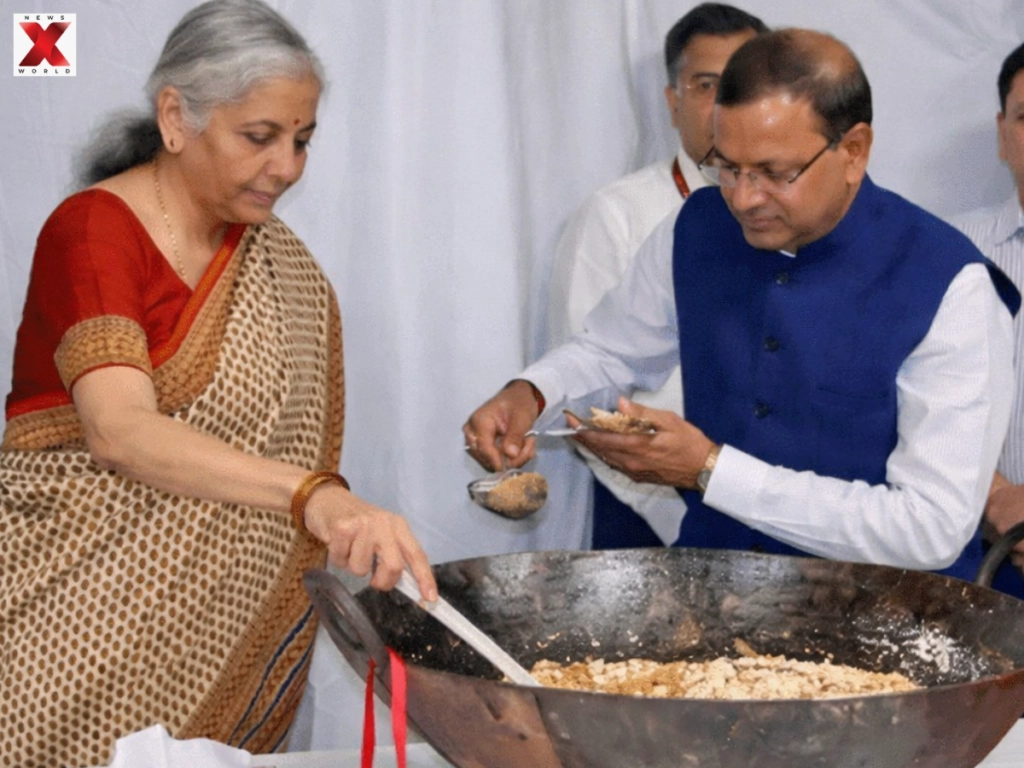
The Halwa ceremony marks a distinctive tradition that heralds the preparation for India’s Union Budget, an essential government financial planning document. This ceremonial event is steeped in cultural significance and is observed in the Finance Ministry, where the budget is meticulously crafted. Typically, the Halwa ceremony involves the preparation of a sweet dish made from flour, ghee, and sugar, symbolizing the sweet rewards of hard work and dedication. It serves as a celebratory occasion that not only boosts morale among the officials involved in the budget process but also signifies the beginning of the final phases of preparing the budget before it is presented in Parliament.
The roots of this tradition can be traced back several decades and are linked to the idea of offering a sweet dish to invoke blessings for a successful budget presentation. During this ceremony, the Finance Minister, along with senior officials, partakes in the Halwa, which is cooked in a large pot, symbolizing the collaborative effort of the team in shaping the nation’s financial roadmap. This ritualistic event reinforces the importance of teamwork and unity in achieving a common objective, which is crucial when formulating a budget that impacts millions of citizens. Furthermore, it signifies the commitment of the government to fiscal responsibility and transparency.
As the Halwa ceremony unfolds, it also marks the beginning of a crucial period during which the budget officials are expected to work diligently and in secrecy. This is because, once the ceremony is conducted, the budget documents are prepared and sealed, preventing any leaks or premature disclosures. Thus, the Halwa ceremony not only embodies a cultural tradition but also serves a practical purpose in the budget-making process, ensuring that sensitive information remains confidential until the official announcement in Parliament. In this way, the event encapsulates the blend of tradition and modern governance, showcasing how cultural practices can coexist with the demands of contemporary statecraft. Overall, the Halwa ceremony is a significant event in the Indian fiscal calendar, representing both the spirit of collaboration and the serious business of governance.