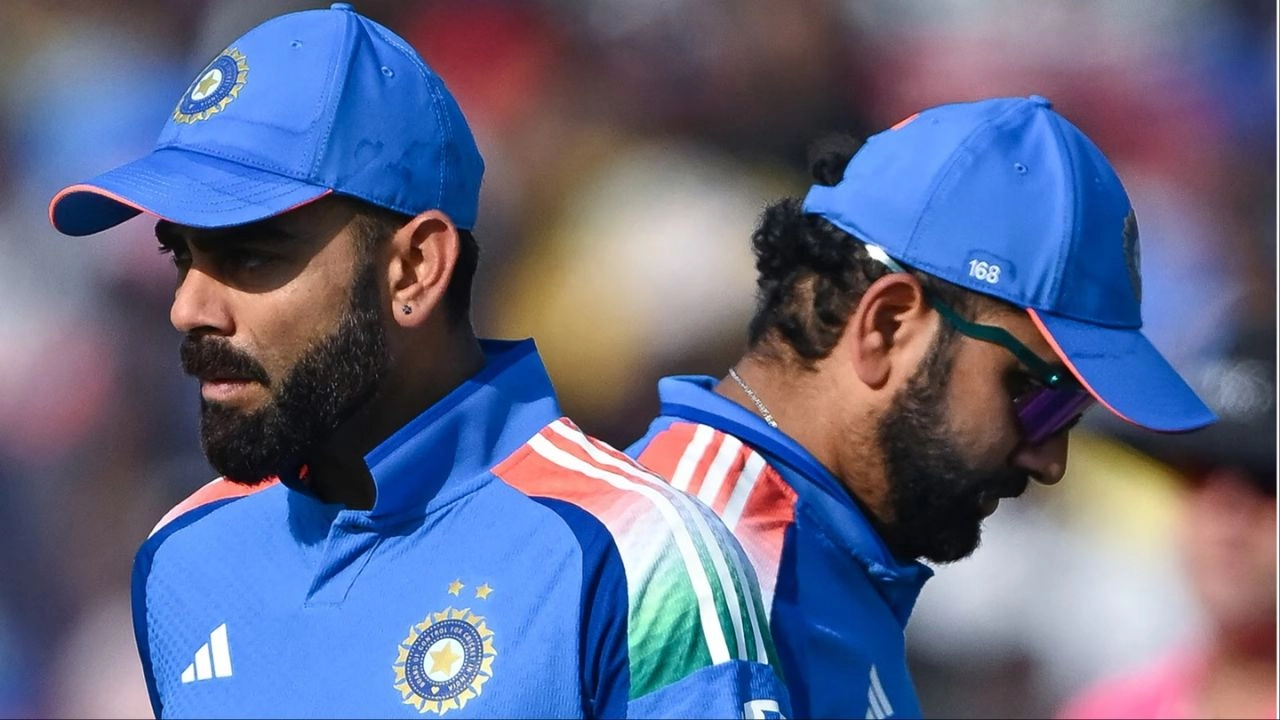
The ongoing tensions between India and Bangladesh may have far-reaching implications for various sectors, but it is the sports community, particularly cricket, that could feel the brunt of these strained relations. Prominent players like Rohit Sharma and Virat Kohli stand at the forefront of this situation, as both athletes play pivotal roles in the Indian national cricket team. The rivalry and camaraderie that define cricket in the subcontinent could be disrupted by the political climate, leading to increased scrutiny and pressure on these athletes during matches against Bangladesh.
As the cricketing world watches, any negative sentiment stemming from geopolitical tensions could translate into heightened expectations and criticism for players like Sharma and Kohli. The media often amplifies narratives surrounding players, especially during high-stakes encounters, and this can create an environment where even minor performance issues are magnified. Fans may express their frustrations more vocally, making it harder for these athletes to concentrate on their game. Consequently, the psychological toll on players could be significant, affecting their performance on the field.
Moreover, the potential for cancelled matches or disruptions in series due to political issues could limit opportunities for Sharma and Kohli to showcase their skills. Cricket serves as a unifying force in India, but when geopolitical tensions rise, the sport can become a battleground for larger issues. This scenario could lead to fewer matches against Bangladesh, denying these players the chance to build rivalries and enhance their legacies in the sport. In essence, the ongoing dynamics between India and Bangladesh not only impact diplomatic relations but also pose serious challenges for athletes, particularly those in the spotlight like Rohit Sharma and Virat Kohli, who thrive on competition and fan engagement.