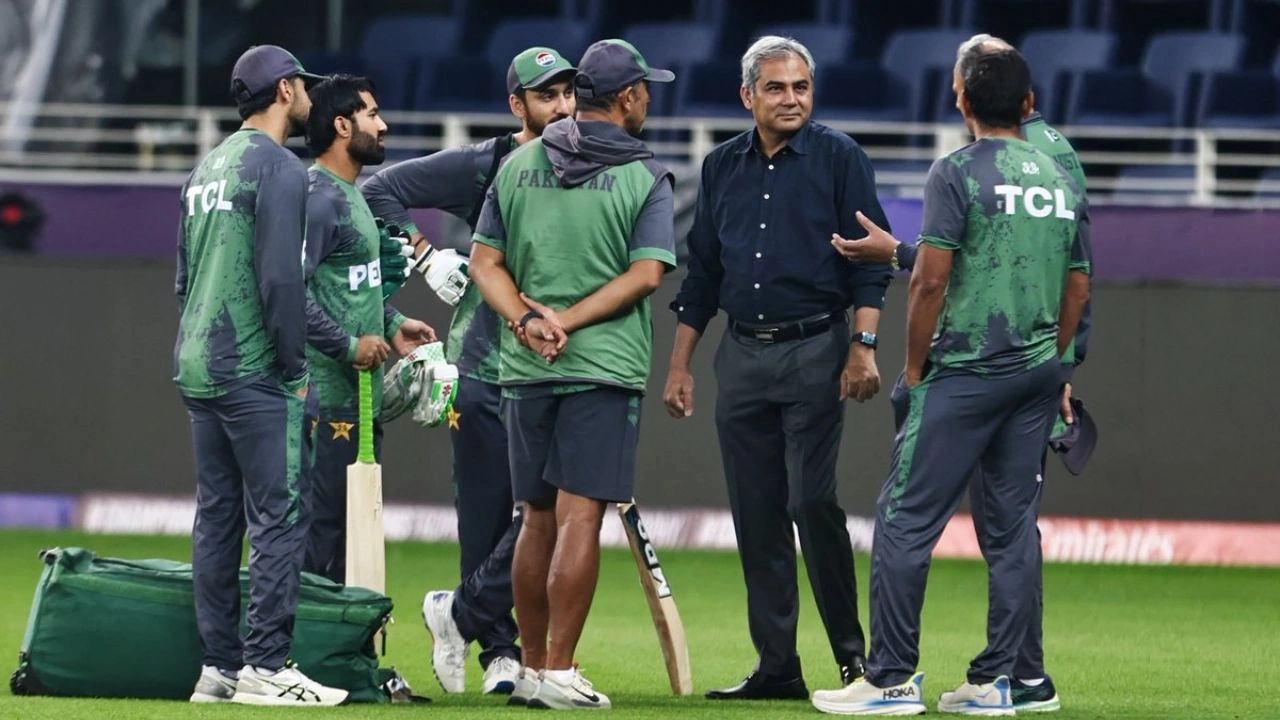
The cricketing world has been shaken by the recent announcement of a ban on Pakistan cricket, which has sent shockwaves through the country and its passionate fanbase. This decision comes on the heels of controversial remarks made by Mohsin Naqvi, a prominent figure in Pakistani cricket administration. Naqvi’s threats and confrontational stance towards the International Cricket Council (ICC) seemed to have backfired spectacularly, leading to the unprecedented sanctions being imposed under the leadership of Jay Shah, who heads the ICC. The sanctions have been described as ‘nuclear’ in nature, indicating their severe implications for the future of cricket in Pakistan.
This ban is not only a significant blow to the national team’s prospects but also impacts the domestic cricket scene, which thrives on the support generated by international matches and tournaments. The repercussions of this decision are likely to be felt across various levels of the sport within Pakistan, from grassroots initiatives to professional leagues. Cricket, being a beloved sport in the country, has deep cultural ties, and such sanctions could dampen the enthusiasm of young cricketers aspiring to represent their nation on the international stage.
The ICC’s decision has sparked widespread debate about the future of cricket in Pakistan and the potential pathways for the country to regain its standing in the global cricketing arena. Stakeholders, including former players, cricket analysts, and fans, have expressed their concerns and hopes regarding the situation. Many believe that the Pakistani cricket administration needs to adopt a more diplomatic approach and engage constructively with international cricket bodies to resolve these issues. The future of cricket in Pakistan hangs in the balance, and it remains to be seen how the nation will respond to this crisis and work towards rebuilding its reputation in the cricketing world.