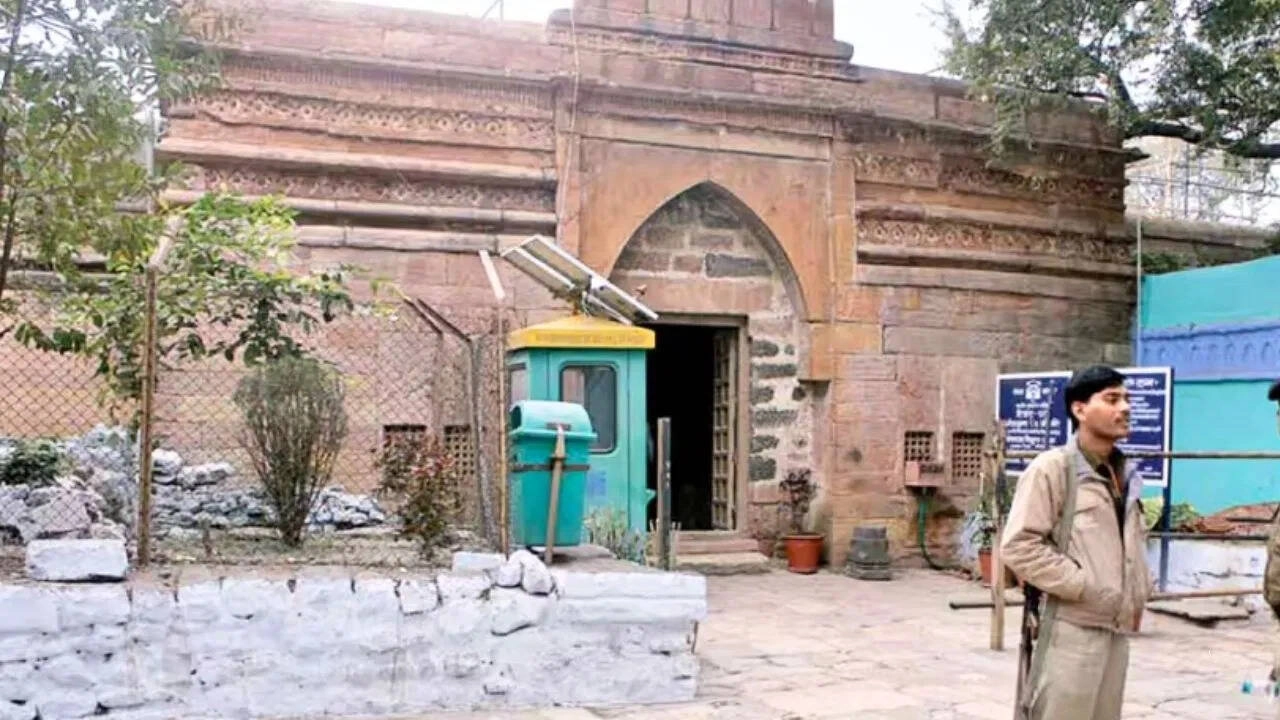
The Bhojshala controversy, which revolves around the historical site in Dhar, Madhya Pradesh, has seen a significant and balanced decision from the court. This ruling allows for both the worship on the occasion of Basant Panchami and the Friday prayers, known as Jumme ki Namaz, to take place at the site. The court’s decision reflects an effort to maintain harmony and respect for the diverse religious practices associated with Bhojshala, which is claimed to be a sacred site for both Hindus and Muslims.
Basant Panchami is an important festival for Hindus, dedicated to the worship of Goddess Saraswati, symbolizing knowledge, music, and art. On this occasion, devotees gather to seek blessings and celebrate the arrival of spring. On the other hand, Jumme ki Namaz holds great significance for Muslims, marking the weekly congregational prayer held on Fridays. The court’s ruling acknowledges the cultural and religious significance of both events, providing a platform for coexistence and mutual respect among different communities.
The decision is seen as a commendable step towards fostering communal harmony, especially in a country like India, where historical sites often become focal points of tension between various religious groups. By allowing both religious practices to occur simultaneously, the court has sent a strong message about the importance of dialogue and understanding in maintaining peace. This approach not only honors the traditions of both communities but also emphasizes the need for collaboration and coexistence in a diverse society.
Overall, the court’s balanced verdict on the Bhojshala issue signifies a hopeful path forward, encouraging people to celebrate their beliefs while respecting those of others. It serves as a reminder that places of worship can be shared and that mutual respect can pave the way for a more harmonious future. The ruling is a positive development that could inspire similar resolutions in other contentious religious matters across the country, promoting unity in diversity.