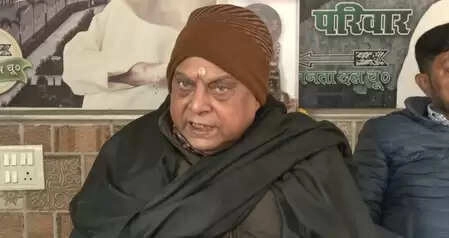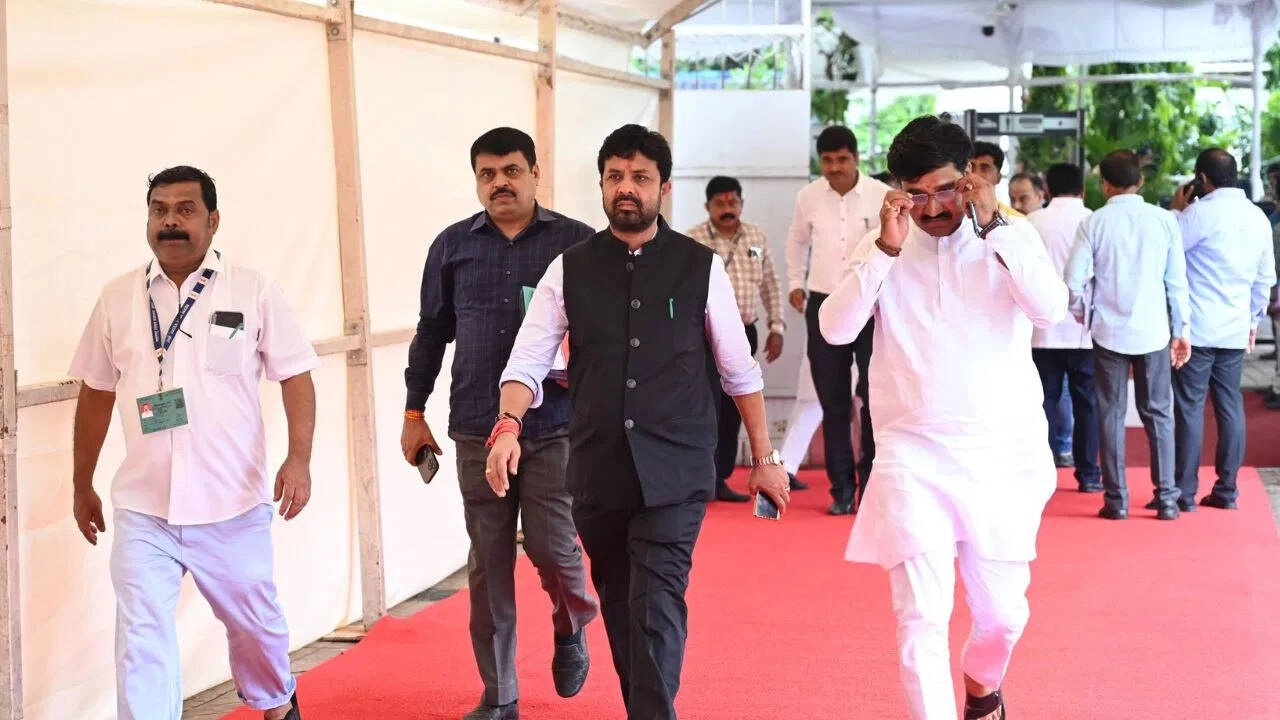
Nitin Ekurekar expressed his dissatisfaction over ticket allocation by staging a unique protest outside the office of former minister Bansode. The discontent surrounding ticket distribution has become a significant issue, often leading to unrest among party members and supporters. Ekurekar’s demonstration highlights the frustrations that many individuals face when their expectations are not met, especially in a political context where aspirations for representation are high.
The protest was not just a personal expression of anger; it also served as a broader commentary on the current political climate and the decision-making processes within political parties. As candidates are often chosen based on various criteria, including loyalty, popularity, and past performance, those who feel overlooked may resort to public displays of discontent to voice their grievances. Ekurekar’s choice of location for his protest—outside Bansode’s office—was strategic, aimed at drawing attention to his cause and pressuring party leadership to reconsider their selections.
In recent times, such protests have become increasingly common, reflecting a growing trend where political aspirants and their supporters demand transparency and fairness in the ticket allocation process. Nitin Ekurekar’s protest could be seen as a call for reform, urging political leaders to engage more with grassroots supporters and consider their input when making critical decisions. This incident underscores the importance of communication within political parties and the need to address the concerns of all members to maintain unity and morale as elections approach.
Overall, the incident encapsulates the ongoing struggles within political circles regarding representation and the expectations of party members. As the political landscape continues to evolve, it will be interesting to see how parties respond to such demonstrations and whether they take steps to ensure that their members feel heard and valued in the decision-making processes.