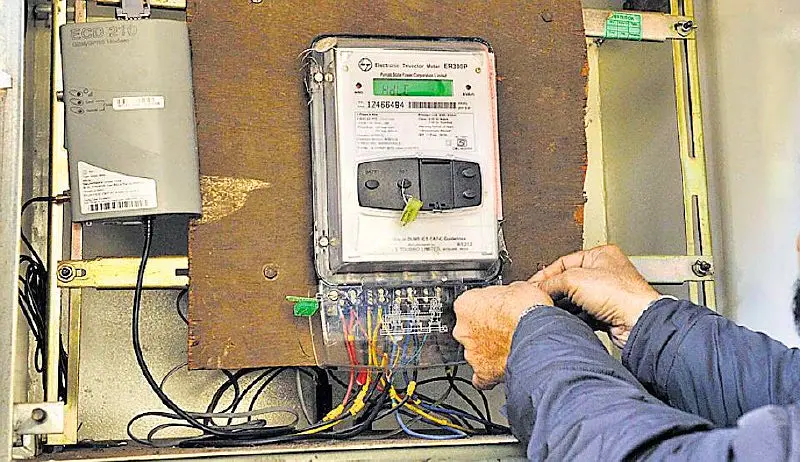
The impact of recent regulatory changes on electricity distribution companies and consumers is a topic of growing importance in the energy sector. These changes are set to reshape the landscape of electricity distribution, affecting how companies operate and how consumers manage their energy usage and costs. For distribution companies, the new regulations may require significant adjustments to their operational strategies, including upgrades to infrastructure and enhancements in customer service. This could lead to increased operational costs initially, but the long-term benefits may include improved efficiency and reduced energy losses during distribution.
For consumers, the changes in the regulatory framework may result in varying implications. On one hand, consumers could benefit from improved service reliability and potentially lower rates as companies optimize their operations. On the other hand, there may be an adjustment period where consumers face higher bills due to the costs associated with infrastructure upgrades. Additionally, the emphasis on sustainability and renewable energy sources may encourage consumers to adopt energy-efficient practices and technologies, which could ultimately lead to lower energy consumption and bills over time.
Overall, the interplay between electricity distribution companies and consumers is crucial as these changes unfold. Stakeholders must stay informed and engaged to understand the evolving landscape and advocate for fair practices that protect consumer interests while ensuring the viability of distribution companies. As these developments continue, monitoring their effects on both operational efficiency and consumer costs will be essential for a balanced and sustainable energy future.