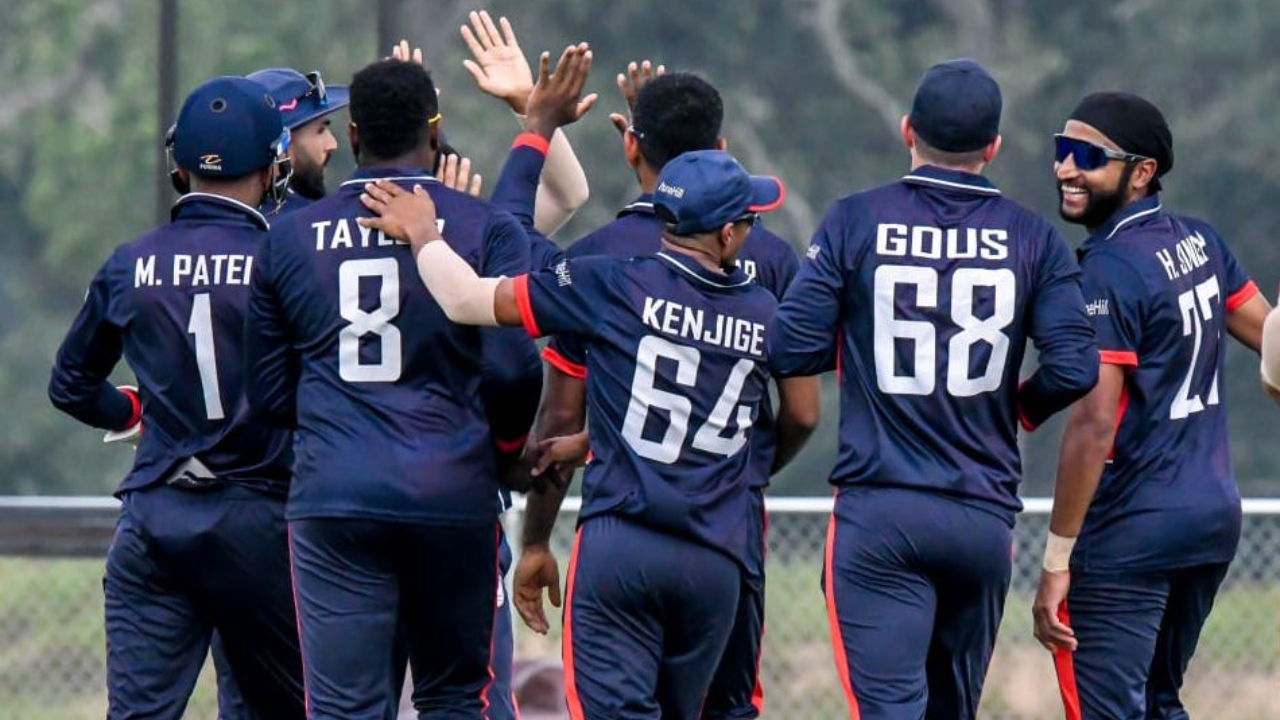
Ali Khan, a prominent cricketer of Pakistani descent, along with three other players from the United States, has faced significant challenges in securing visas to travel to India for the upcoming T20 World Cup 2026. This decision has raised eyebrows and sparked discussions about the implications of such restrictions on the growing cricketing landscape in the United States. The T20 World Cup, which is set to take place in India, is a highly anticipated event that attracts cricket fans from around the globe, and the absence of these players could impact the representation of American talent in the tournament.
The denial of visas is particularly noteworthy given the increasing popularity of cricket in the U.S. and the role that players of diverse backgrounds play in promoting the sport. Ali Khan, who has made a name for himself in various T20 leagues around the world, is seen as a valuable asset not only for his skills on the field but also for his ability to inspire young cricketers in America. The fact that he and his teammates were unable to secure the necessary travel documents raises questions about the administrative processes involved and the relationship between the two nations when it comes to sporting events.
This situation highlights broader issues related to international sports and diplomacy, especially in a time when cricket is expanding its reach beyond traditional strongholds. As the U.S. cricketing community continues to grow, it is crucial for stakeholders to advocate for more inclusive policies that allow players from diverse backgrounds to participate in significant international tournaments. The denial of visas for these players serves as a reminder of the challenges that still exist in fostering a truly global cricketing environment, where talent can be recognized and celebrated regardless of nationality or heritage.