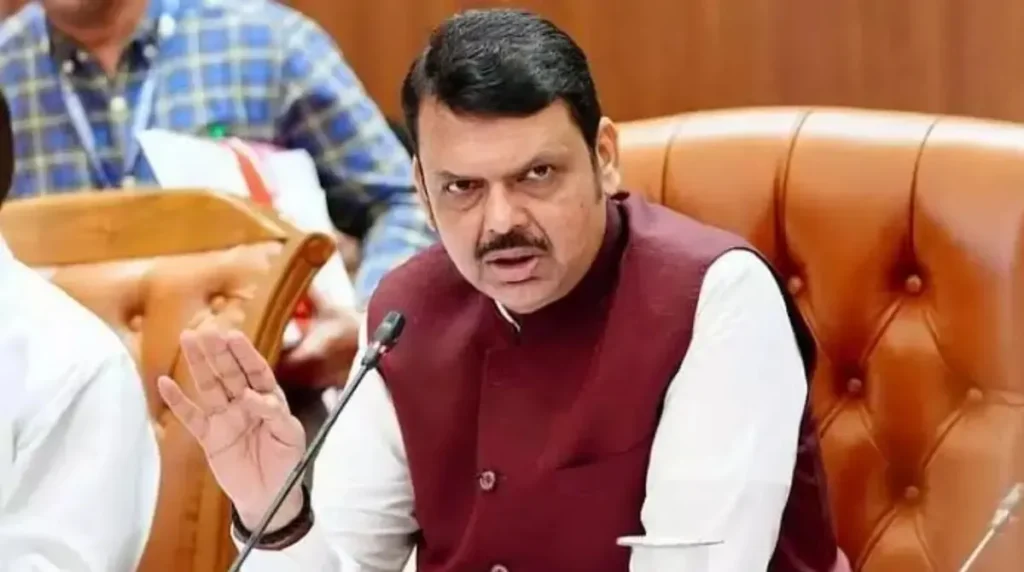
In a recent political exchange, Maharashtra’s Deputy Chief Minister Devendra Fadnavis responded sharply to a statement made by Shiv Sena leader Sanjay Raut. Raut had threatened that the Thackeray family could bring Mumbai to a standstill in just ten minutes if necessary. This bold claim has sparked significant debate and concern among political observers and citizens alike. Fadnavis, known for his quick wit and strategic responses, countered Raut’s assertion by asserting that the Thackeray family lacks the influence and power needed to halt the bustling city of Mumbai.
Fadnavis emphasized the resilience and vitality of Mumbai, a city known for its robust economy and diverse population. He pointed out that the spirit of the city is characterized by its ability to thrive amid challenges, and no single family or political faction can disrupt its momentum. His comments suggest a belief that the residents of Mumbai are more invested in their livelihoods and the functioning of the city than in the political maneuvers of any particular group. This exchange highlights not only the contentious nature of Maharashtra’s political landscape but also the ongoing power struggles between various factions vying for control and influence.
The backdrop of this exchange is a politically charged environment in Maharashtra, where the Shiv Sena and its leaders have been at the forefront of various controversies. Raut, who has been vocal about his party’s stance and ambitions, appears to be rallying support for the Thackeray legacy amidst challenges from rival parties. Fadnavis’s rebuttal serves as a reminder that political threats can often be met with counter-narratives that emphasize the strength and autonomy of the city and its people. As the political drama unfolds, the implications for Mumbai’s governance and the broader political climate in Maharashtra will continue to be closely monitored by both supporters and detractors.
This situation not only illustrates the tensions within Maharashtra’s political framework but also reflects broader issues of governance and public sentiment in urban areas. The dialogue between Fadnavis and Raut will likely resonate with a populace that is keenly aware of the need for effective leadership and stability in their daily lives. As Mumbai continues to be a focal point for economic activity and cultural exchange, the interplay of political power and civic engagement remains crucial for the city’s future.