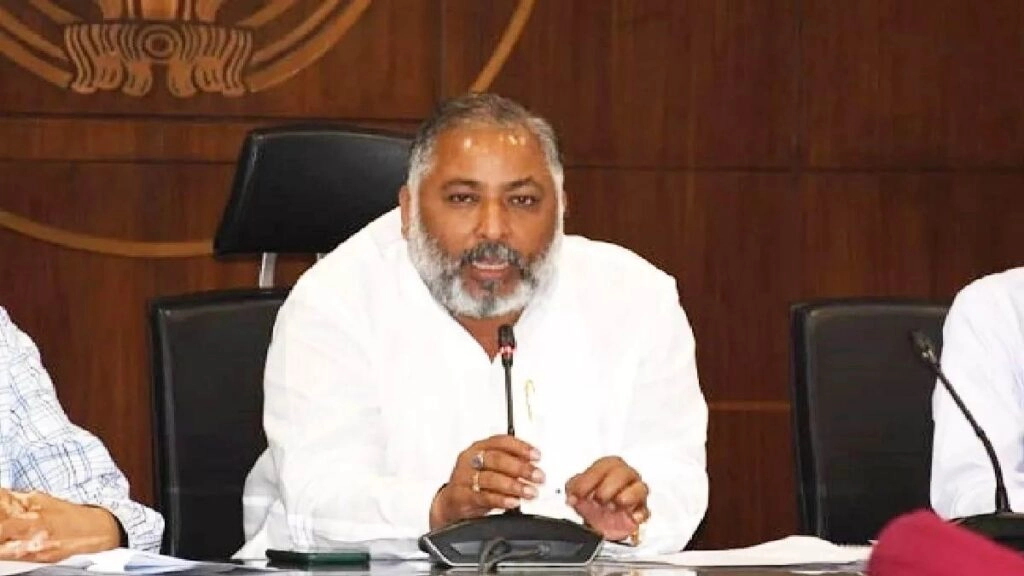
In a recent statement that has sparked considerable discussion, the UP Transport Minister responded firmly to remarks made by political leader Asaduddin Owaisi regarding women in leadership roles, particularly those who wear the hijab. The Minister emphasized that a woman’s capability and potential for leadership are not determined by her choice of attire, including the hijab. He argued that women, regardless of their clothing, can aspire to and achieve high positions, including that of a President. This assertion underlines the importance of recognizing women’s abilities and contributions to society, irrespective of cultural or religious expressions.
The Minister’s comments come in the broader context of ongoing debates about women’s rights and representation in India. Owaisi’s remarks appeared to suggest limitations on women’s roles based on their traditional attire, which the Minister countered by showcasing the successes of women in various fields. He pointed out that many women in India have made significant strides in politics, business, and other sectors, proving that wearing a hijab does not hinder their ability to lead or excel. This perspective aims to challenge stereotypes and encourage a more inclusive view of women’s participation in public life.
Moreover, the discussion touches on societal attitudes towards women who wear the hijab and how these attitudes can shape perceptions of their capabilities. The Minister’s defense serves not only to empower women who choose to wear the hijab but also to advocate for a more equitable recognition of women’s rights overall. By asserting that hijab-wearing women can hold the highest offices in the country, he calls for a reevaluation of outdated notions that associate clothing with competency. This dialogue is vital as it contributes to a larger narrative about gender equality and the need for society to embrace diversity in all its forms.
In conclusion, the UP Transport Minister’s response to Owaisi’s comments is a significant affirmation of women’s rights and capabilities. It highlights the need for society to move beyond superficial judgments and recognize the potential of individuals based on their skills and qualifications rather than their appearance. His stance encourages a more progressive understanding of leadership that is inclusive and reflective of the diverse fabric of Indian society.