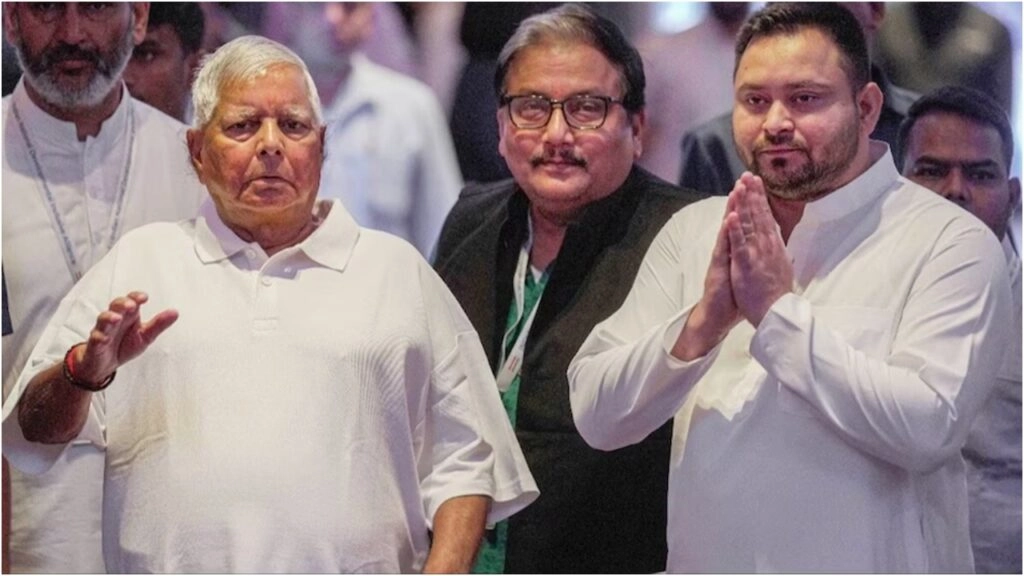
The Land-for-Job case has recently brought significant legal troubles for Lalu Yadav’s family as the court has officially framed charges against them. This high-profile case revolves around allegations of corruption involving the acquisition of land in exchange for government employment. Lalu Yadav, a prominent political figure and former Chief Minister of Bihar, along with several family members, is accused of engaging in unethical practices that undermined the integrity of public service.
As the legal proceedings unfold, the court’s decision to frame charges marks a crucial turning point in the investigation. The allegations suggest a systematic approach to exploiting public resources for personal gain, raising serious questions about governance and accountability within the political landscape. The case has garnered widespread media attention, reflecting the public’s interest in issues of corruption and the ethical conduct of elected officials.
The ramifications of this case extend beyond Lalu Yadav and his family, as it highlights the pervasive problem of corruption in Indian politics. Many observers believe that such cases could lead to broader reforms and increased scrutiny of political practices. The outcome of this case may not only impact the Yadav family’s political future but could also influence public perception of political leaders and their commitment to ethical governance. As the legal battles continue, the case serves as a stark reminder of the challenges posed by corruption and the importance of transparency in public office.