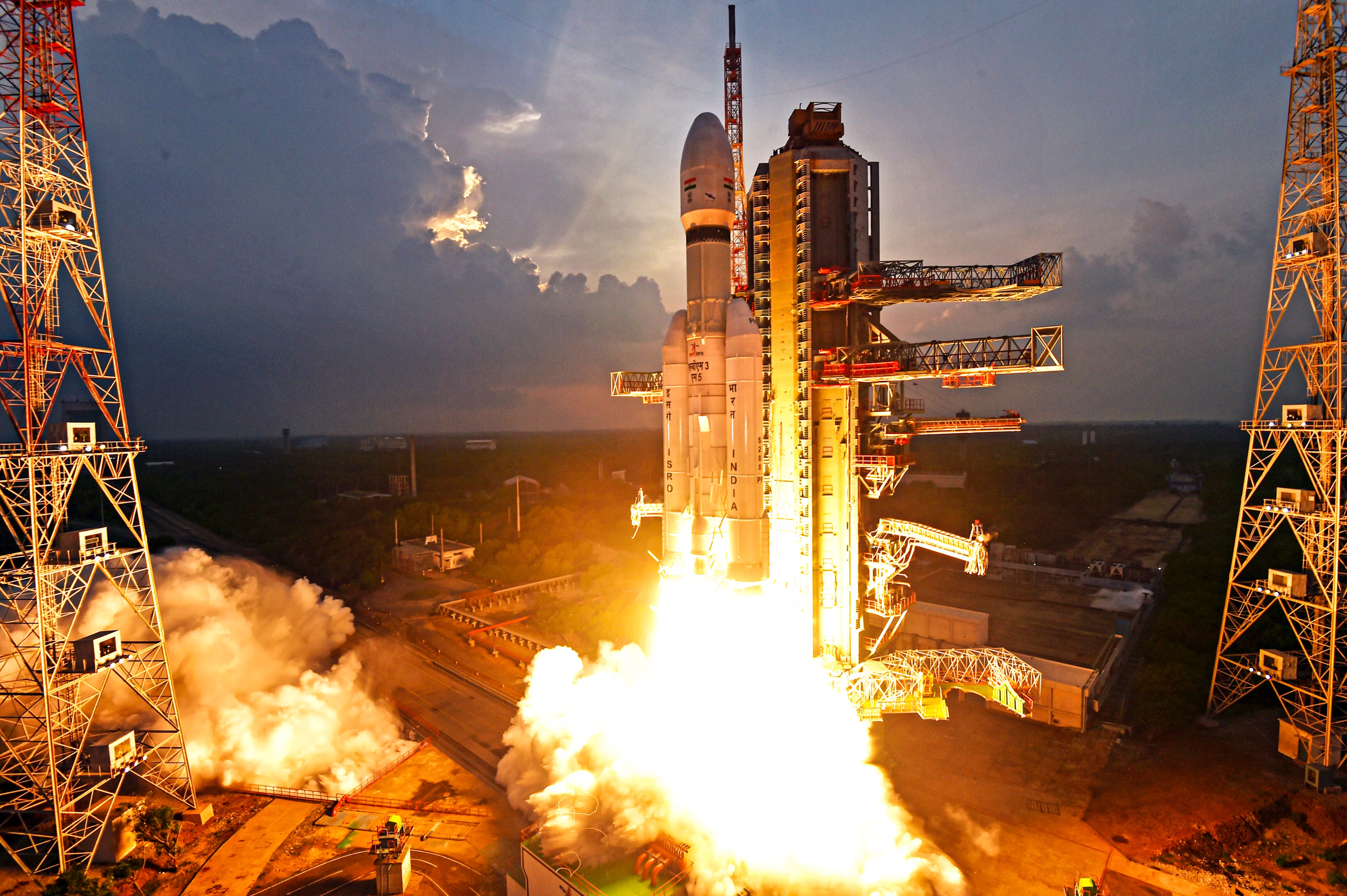
The Indian Space Research Organisation (ISRO) is set to embark on a groundbreaking mission in 2026 that promises to elevate India’s status in the global space community. This historic flight aims to demonstrate India’s growing capabilities in space technology and exploration. As the nation prepares for this ambitious endeavor, it is essential to understand why this mission is particularly significant and what it means for India’s future in space.
This mission is expected to be a pivotal moment for ISRO, showcasing not only the technological advancements that have been made but also the potential for India to play a leading role in international space exploration. The mission includes plans for advanced satellite launches and possibly even crewed missions, which would mark a significant milestone in India’s space program. The successful execution of such a complex mission will reinforce India’s reputation as a formidable player in the field of space technology, further solidifying its position among the world’s leading space-faring nations.
Moreover, this mission is expected to foster collaboration with other countries and space agencies, opening doors for partnerships that can enhance research and development in space science. By showcasing its capabilities, India can attract investment and expertise from around the globe, potentially leading to innovative solutions for challenges faced in space exploration and technology. The mission is not only about national pride but also about contributing to the global body of knowledge in space science, making it a collaborative effort that could benefit humanity as a whole.
In conclusion, ISRO’s mission in 2026 represents a significant leap forward for India’s ambitions in space exploration. It serves as a testament to the country’s resilience and ingenuity, marking a new chapter in its journey to becoming a leader in the realm of space technology. As the world watches this historic flight unfold, it is clear that India is poised to make its mark on the international stage, further asserting its position as a key player in the future of space exploration.