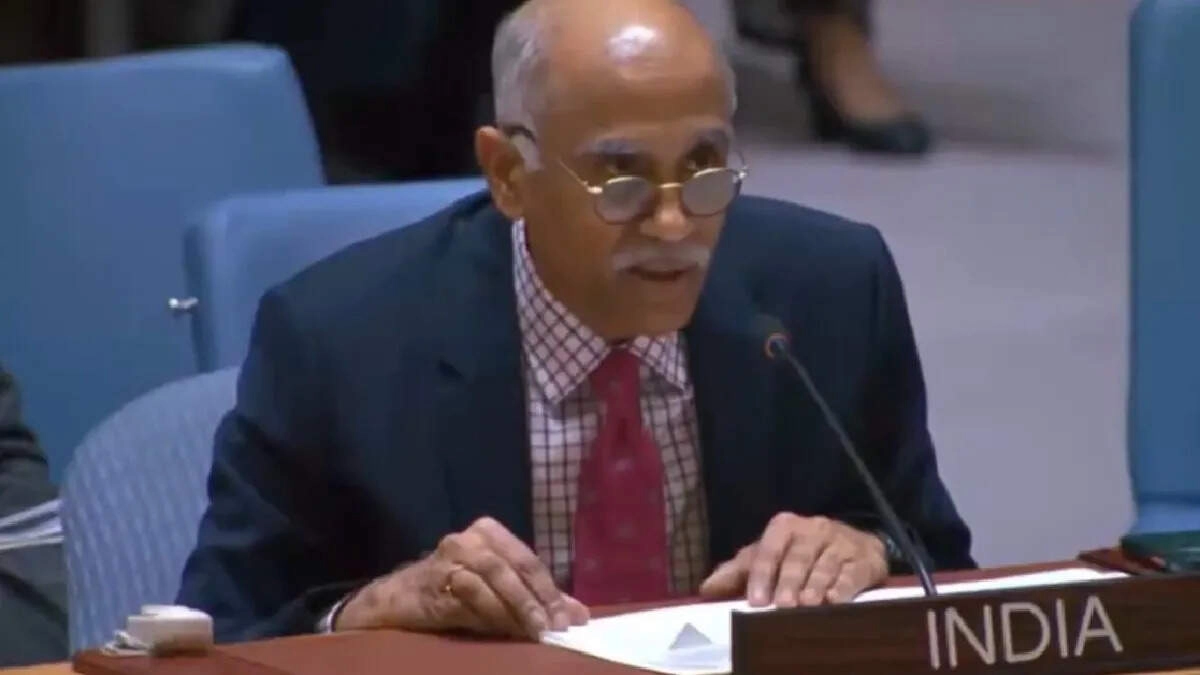
The ongoing territorial disputes between India and Pakistan have once again taken center stage, particularly regarding the status of Jammu and Kashmir. Recently, during a session at the United Nations, Pakistan faced significant embarrassment as it attempted to assert its claims over this region, which India firmly regards as an integral part of its territory. The phrase “Jammu and Kashmir was ours and will remain ours” underscores India’s unwavering stance on the matter, emphasizing its historical and constitutional claims over the region.
In the context of these discussions, Pakistan has not only reiterated its claims over Jammu and Kashmir but has also made bold assertions regarding Ladakh, further complicating the already tense relations between the two nations. The international community closely watches these developments, and Pakistan’s attempts to garner support for its position seem increasingly futile. India’s commitment to maintaining its sovereignty over Jammu and Kashmir and Ladakh remains steadfast, despite external pressures and diplomatic challenges.
This recent event at the UN serves as a reminder of the long-standing conflict that has shaped the geopolitics of South Asia. Both nations have invested considerable resources into presenting their narratives on the global stage. However, India’s strategic diplomatic efforts and its growing influence in international forums have often overshadowed Pakistan’s claims, leading to moments of significant diplomatic embarrassment for Islamabad. As discussions continue, it is crucial for both countries to seek a peaceful resolution to their disputes, although the path forward remains fraught with challenges.