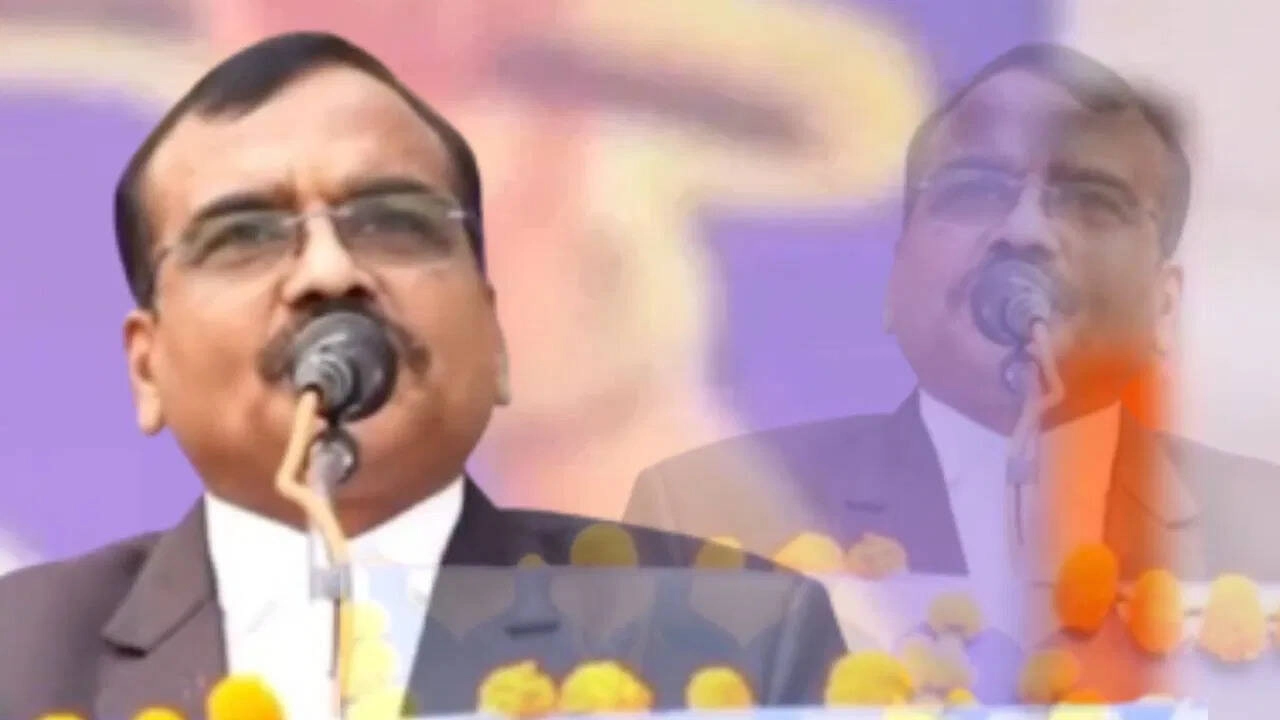
The Madhya Pradesh government has sent a letter to the central authorities requesting the removal of IAS officer Santosh Verma. This action has been prompted by a controversial statement he made regarding the Brahmin community, which has sparked significant public outrage. The remarks, perceived as derogatory by many, have led to calls for accountability and have raised questions about the conduct of civil servants in relation to sensitive social issues.
Santosh Verma’s comments have not only offended members of the Brahmin community but have also drawn criticism from various political leaders and social organizations. The backlash has been swift, with many demanding that the government take appropriate measures to address the situation. In a diverse society like India, where various communities coexist, it is crucial for public officials to exercise caution in their statements, particularly those that pertain to caste and social identity.
The government’s move to seek Verma’s removal signifies its recognition of the potential repercussions that such statements can have on social harmony. It illustrates the delicate balance that public officials must maintain in their roles as both administrators and representatives of the government. As the situation unfolds, it will be important to monitor how the government responds to the demands of the public and whether this incident leads to a broader discussion about caste-related issues and the responsibilities of civil servants in India.