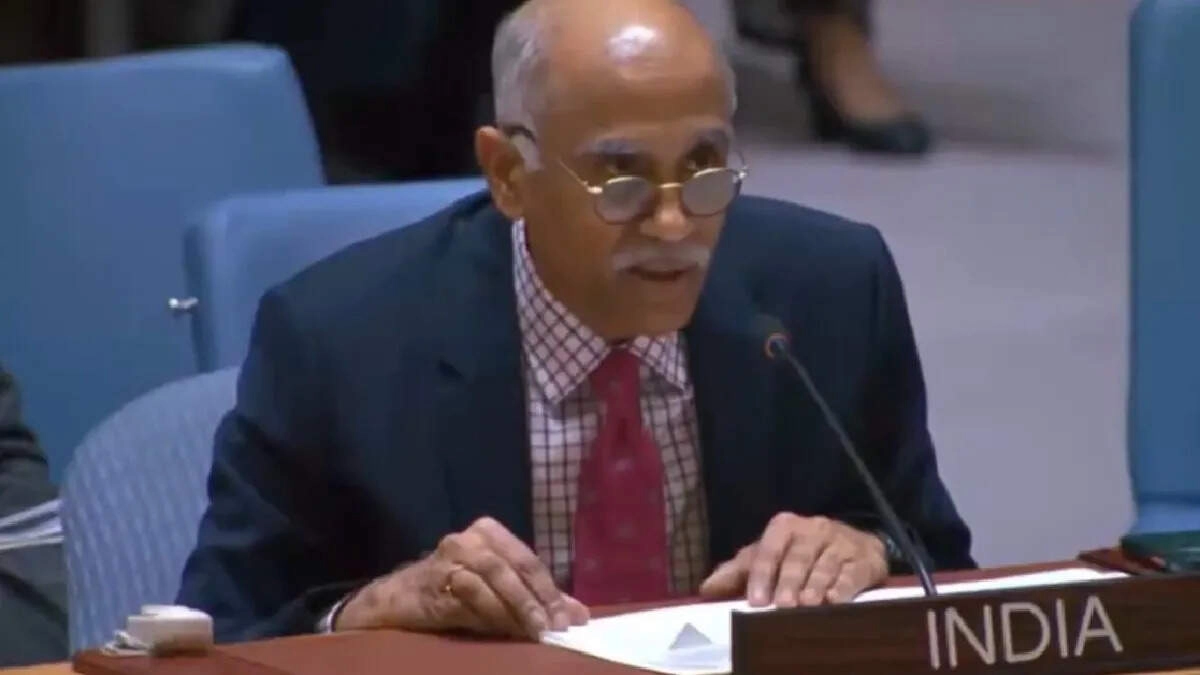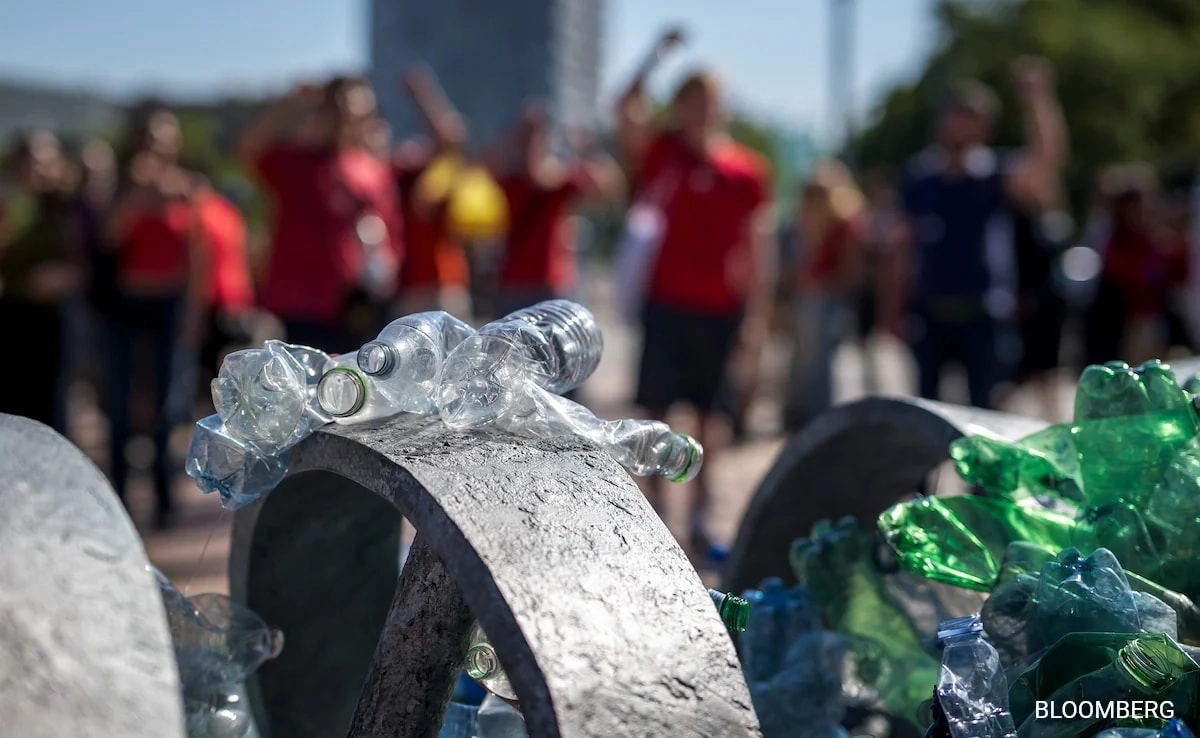
The ongoing discussions surrounding a potential global treaty on plastic pollution have reignited debates about the challenges and opportunities associated with plastic use worldwide. As the United Nations resumes talks, nations find themselves divided over how to effectively address the environmental crisis posed by plastic waste. On one side, there is a growing consensus on the urgent need to mitigate plastic’s detrimental impacts on ecosystems, marine life, and human health. Advocates for a comprehensive treaty argue that unified global action is essential to tackle this pervasive issue, which transcends borders and affects every nation. They emphasize the need for binding commitments to reduce plastic production and consumption, improve waste management systems, and promote sustainable alternatives.
Conversely, many countries express concerns about the potential economic repercussions of stringent regulations on plastics. Developing nations, in particular, worry that such a treaty could hinder their growth, as they rely on affordable plastic products for various sectors, including packaging, agriculture, and healthcare. This divergence in priorities complicates negotiations, as wealthier nations push for more ambitious targets while poorer countries seek flexibility and support to transition towards more sustainable practices. The challenge lies in finding a common ground that addresses the urgency of the plastic crisis without stifling economic development in regions where plastic is integral to daily life.
Furthermore, differing perspectives on the role of the private sector in addressing plastic pollution contribute to the division. Some stakeholders advocate for increased corporate responsibility and innovation in creating biodegradable alternatives, while others caution against placing too much pressure on businesses, fearing it could lead to unintended consequences. This debate highlights the need for a multi-faceted approach that incorporates input from various sectors, including governments, businesses, and civil society. The complexity of the issue calls for collaborative efforts and shared commitments to develop effective solutions that balance environmental protection with economic viability.
As the UN treaty talks progress, it is evident that finding a consensus on how to manage plastic pollution will require patience, dialogue, and a willingness to compromise. The stakes are high, given the long-lasting impacts of plastic on the planet, and the world must navigate these negotiations carefully to forge a path forward. Ultimately, a successful treaty could serve as a landmark agreement, setting a precedent for international cooperation in addressing one of the most pressing environmental challenges of our time. The divisions currently seen can be bridged through transparent discussions and a commitment to shared goals, fostering a collective responsibility towards a more sustainable future free from the burdens of plastic waste.