
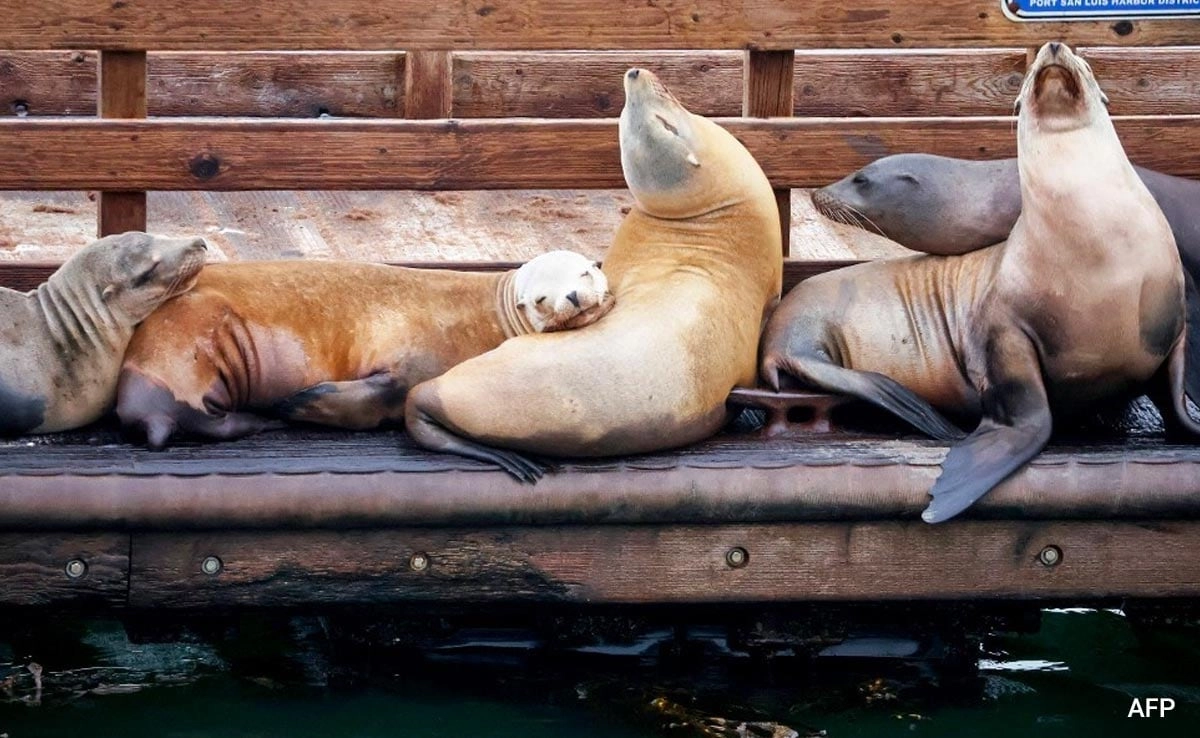
In recent years, reports of sea lions attacking humans in Southern California have raised alarm among locals and visitors alike. These incidents, though rare, highlight a complex interplay between wildlife behavior and human activity. Sea lions, typically known for their playful demeanor and social nature, have been observed displaying aggressive behavior under specific circumstances. Understanding the reasons behind these attacks is crucial for both safety and conservation efforts.
One primary factor contributing to these aggressive encounters is the increased presence of humans in sea lions’ natural habitats. As coastal areas become more developed and crowded with beachgoers, sea lions may feel threatened or cornered. These marine mammals are instinctively protective of their territory, especially during breeding season when they are particularly sensitive to disturbances. When humans inadvertently encroach upon their space, sea lions can react defensively, leading to aggressive encounters.
Additionally, food sources play a significant role in sea lion behavior. As competition for fish increases due to overfishing and environmental changes, sea lions may become more aggressive in their pursuit of food. This can lead to situations where they associate humans with easy access to resources, especially in areas where people may be fishing or leaving food unattended. Such interactions can foster a dangerous dynamic, where sea lions may approach humans more boldly, leading to potential conflicts.
Education and awareness are essential in mitigating these incidents. Local authorities and wildlife organizations are working to inform the public about safe practices when encountering sea lions. This includes maintaining a safe distance, not feeding or approaching them, and respecting their natural habitats. By fostering a better understanding of these animals and their behaviors, we can help ensure the safety of both humans and sea lions. Ultimately, coexistence is possible when respect and caution are exercised by all parties involved.


