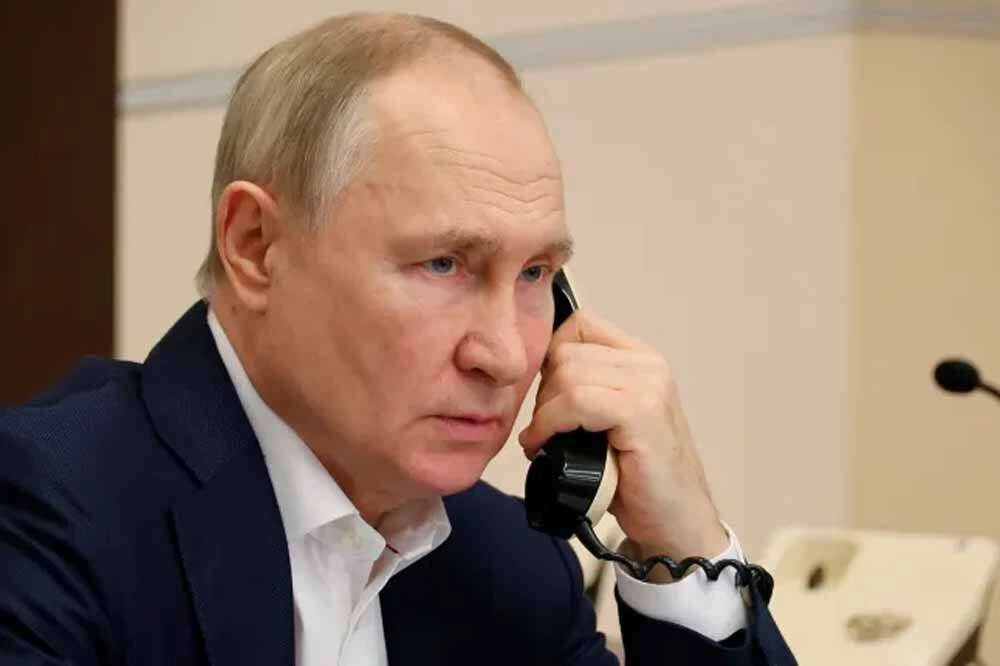
Russian President Vladimir Putin has long maintained a distance from modern technology, particularly smartphones and the internet. His reluctance to engage with these tools stems from a deep-seated belief in security and privacy. In an era where digital communication is ubiquitous, Putin’s choice to steer clear of smartphones is surprising to many, especially considering the technological advancements that have permeated daily life.
Putin has openly expressed concerns about the vulnerabilities that come with digital devices. He perceives smartphones as potential tools for surveillance and espionage, fearing that they could compromise the privacy of individuals and state secrets alike. This perspective highlights his cautious approach to technology, where the potential risks outweigh the benefits. His preference for traditional forms of communication reflects a broader strategy to maintain control over information and secure the integrity of the Russian government.
Moreover, Putin’s decision to avoid the internet can be viewed as part of a larger narrative regarding national security and sovereignty. In his view, the internet is a double-edged sword; while it offers vast amounts of information and connectivity, it also poses significant threats from external sources. By distancing himself from these technologies, he aims to create a barrier against foreign influence and protect Russia’s digital landscape from perceived threats. This stance not only shapes his personal habits but also influences the policies that govern technology use in Russia, promoting a more cautious and controlled approach to digital innovation.
In summary, Vladimir Putin’s aversion to smartphones and the internet is rooted in his concerns about security, privacy, and the potential for external interference. His choices reflect a broader commitment to safeguarding the integrity of Russia in an increasingly interconnected world, revealing the complexities and challenges that leaders face in navigating the digital age.