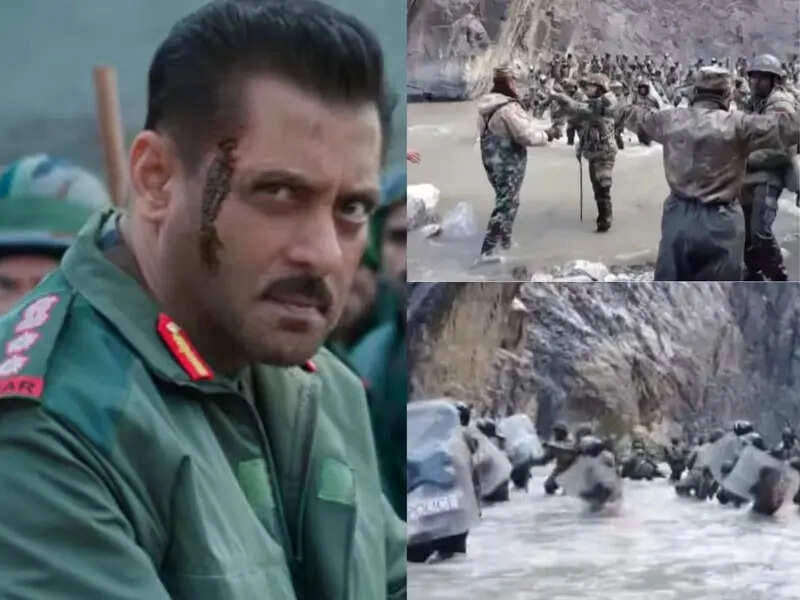
The mere mention of Galwan is enough to evoke a sense of agitation in China, often referred to as the “Dragon.” This reaction stems from a significant and tense confrontation that occurred in the Galwan Valley, situated in the northern region of India. The incident, which took place in June 2020, involved a violent clash between Indian and Chinese troops, resulting in casualties on both sides. The Galwan Valley has become a symbol of the ongoing border disputes between the two nations, highlighting the deep-seated tensions that have persisted for decades. The event marked a turning point in Sino-Indian relations, leading to heightened military presence and increased awareness of national security concerns in both countries.
The situation has further escalated with the release of a film featuring Bollywood star Salman Khan, which has stirred up controversy in China. The film’s content is believed to touch upon themes related to national pride and territorial integrity, which are sensitive topics for China, especially in light of the Galwan conflict. As the Indian film industry often reflects societal issues and national sentiments, the portrayal of the Galwan incident in cinema can be perceived as a direct challenge to China’s narrative regarding its territorial claims. This has sparked outrage among Chinese audiences and officials, leading to calls for boycotts and heightened scrutiny of Indian cultural exports.
The backlash against the film is indicative of the larger geopolitical tensions between India and China, which have been exacerbated by the recent past. As both nations grapple with their identities and regional ambitions, cultural productions like films become a battleground for ideological supremacy. The incident serves as a reminder of how art and entertainment can intersect with politics, influencing public perceptions and diplomatic relations. In this context, the Galwan incident remains a pivotal moment that continues to shape the discourse between the two countries, revealing the intertwining of cultural narratives and nationalistic fervor in the face of historical grievances.