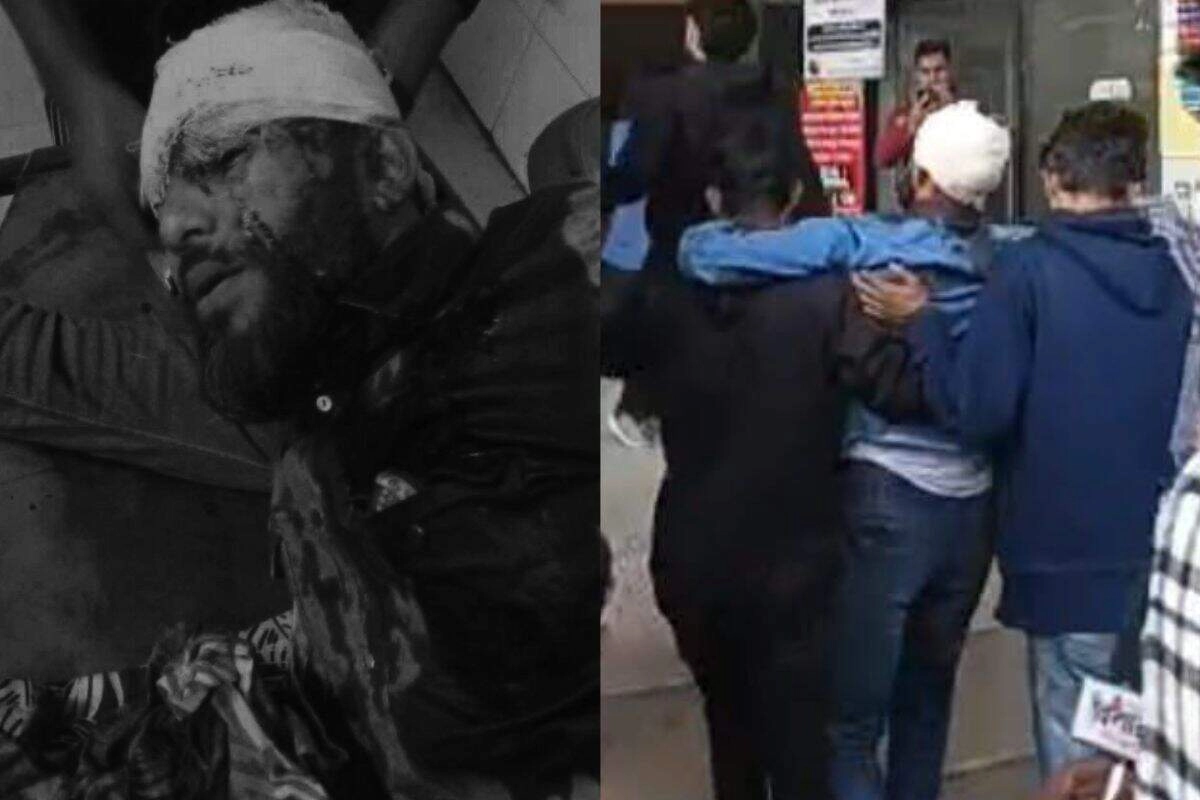
The situation in Bangladesh has once again escalated into violence, raising concerns about the stability of the region. Following the assassination of a prominent leader, reports have emerged that another political figure has been shot, leaving them in critical condition. This incident has sparked fears of further unrest and turmoil in a nation that has already experienced significant political strife in recent years.
The recent wave of violence appears to be rooted in the ongoing political tensions that have plagued Bangladesh for quite some time. Various factions within the political landscape have been embroiled in fierce rivalries, often leading to violent confrontations. The shooting of the latest leader is seen as a symptom of this larger issue, and it underscores the precarious nature of political discourse in the country. As the nation grapples with these challenges, the potential for widespread violence looms large, threatening to destabilize the already fragile peace.
In the wake of these events, there is a growing call for dialogue and reconciliation among the various political parties to address the underlying issues fueling this violence. However, the path to peace is fraught with difficulties, as deep-seated mistrust and animosity have taken root over the years. The international community is closely watching the developments in Bangladesh, hoping for a resolution that would prevent further bloodshed and foster a more democratic and stable environment. As tensions continue to rise, the people of Bangladesh find themselves in a precarious position, caught in the crossfire of political ambitions and conflicts.