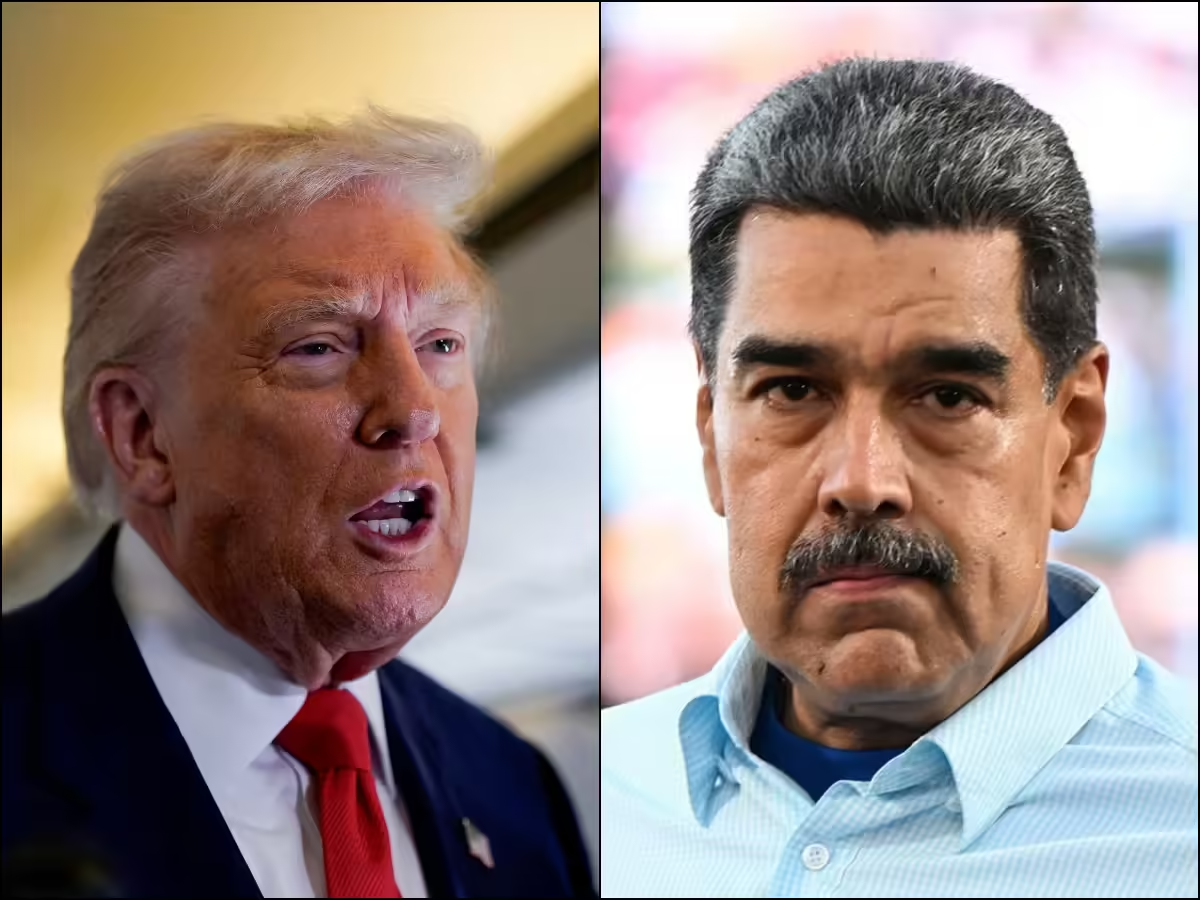
The diplomatic tension between Venezuela and the United States has escalated dramatically, resembling a declaration of war. The situation has intensified as American military aircraft have been spotted in Puerto Rico, raising alarms in Caracas. Venezuelan President Nicolás Maduro has expressed strong discontent over this development, perceiving it as a direct threat to his nation’s sovereignty and stability. The presence of U.S. military assets so close to Venezuelan territory has been met with fierce rhetoric from Maduro, who has long accused the U.S. of interfering in Venezuelan affairs and attempting to destabilize his government.
Maduro’s government views the American military maneuvers as an aggressive act that could lead to further escalation in the region. The Venezuelan leader has urged his citizens to remain vigilant and prepared to defend their homeland against any potential incursions. This situation is reminiscent of Cold War-era tensions, where military posturing and rhetoric often led to international crises. Maduro’s concerns reflect a broader fear among many Latin American nations regarding U.S. military presence and influence in the region, which they often see as imperialistic.
In response to the rising tensions, Maduro has called for unity among Latin American countries to counter what he describes as U.S. aggression. He emphasizes the importance of regional solidarity in the face of external threats, advocating for a collective stance against foreign intervention. This call for unity has resonated with some of Venezuela’s allies, who share similar apprehensions about U.S. policies in the Western Hemisphere. The situation remains fluid, with the potential for further developments as both sides navigate this increasingly fraught geopolitical landscape.