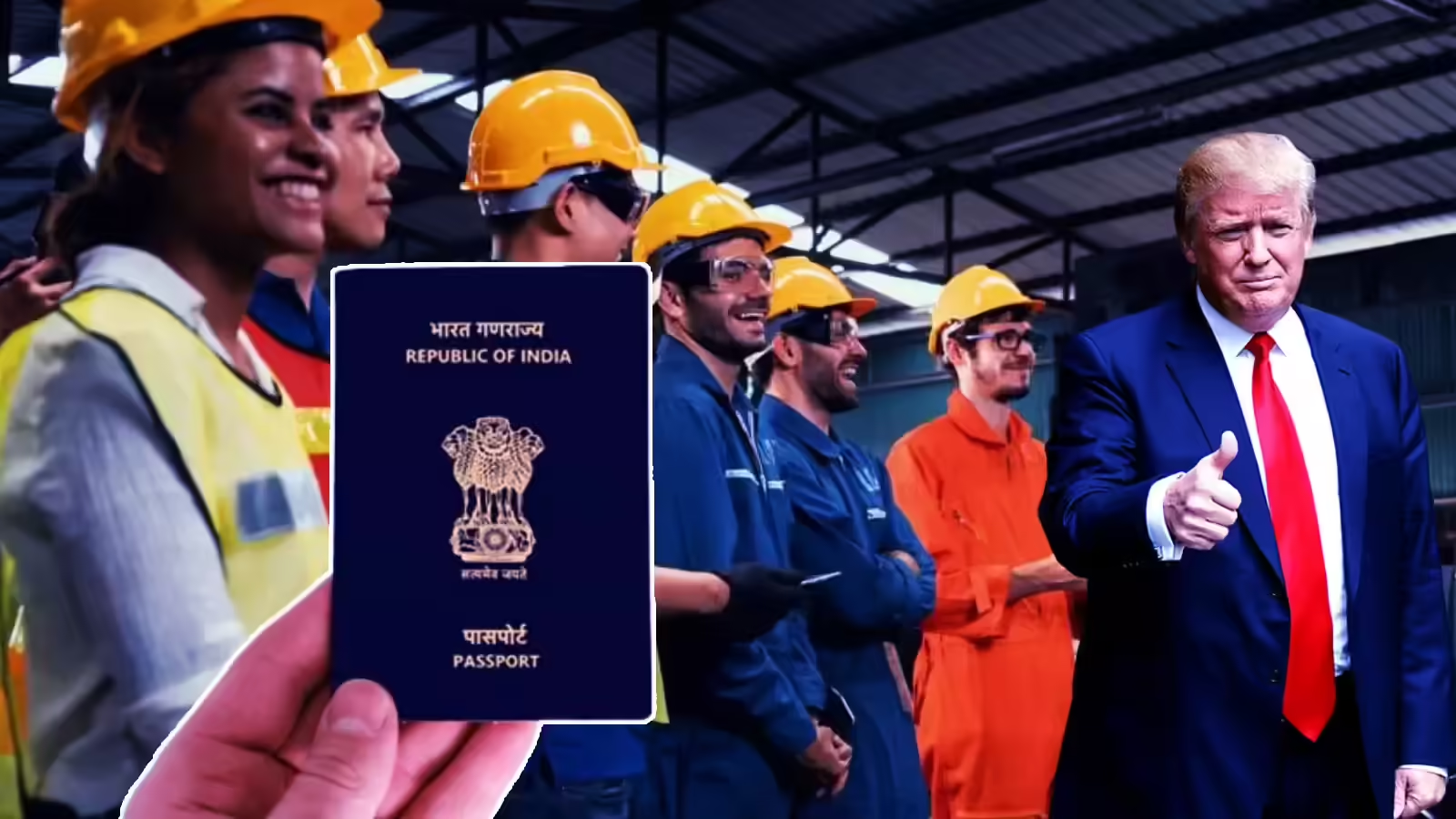
The recent decision by the Trump administration to cut work permits has significantly intensified the difficulties faced by Indian workers in the United States. This policy change has raised concerns among many professionals who rely on these permits to secure employment in the country. The implications of this move are profound, as it not only affects the ability of skilled Indian workers to find jobs but also places their existing employment status in jeopardy.
Many Indian nationals, particularly those in the technology and engineering sectors, have depended on work permits such as the H-1B visa to gain entry into the U.S. job market. With the new restrictions, the once-clear path to employment is now fraught with uncertainty. The potential for visa revocation or denial adds an additional layer of anxiety for workers who have already made significant investments in their careers and lives in the U.S. The fear of losing job opportunities due to these policy changes could lead to a brain drain, where talented professionals consider relocating to more welcoming countries.
Moreover, this decision could have a ripple effect on the U.S. economy. Indian workers contribute significantly to various industries, particularly in technology, healthcare, and research. By limiting their ability to work legally in the U.S., the administration risks stifling innovation and competitiveness in sectors that rely heavily on skilled labor. As companies struggle to fill positions that require specialized skills, the overall productivity and growth of the economy could be adversely affected.
In summary, the Trump administration’s decision to cut work permits poses significant challenges for Indian workers and the broader U.S. economy. The uncertainty surrounding visas and job security could lead to a decline in the talent pool available to American companies. This policy change not only impacts individual lives but also threatens the very fabric of industries that depend on skilled labor to thrive.