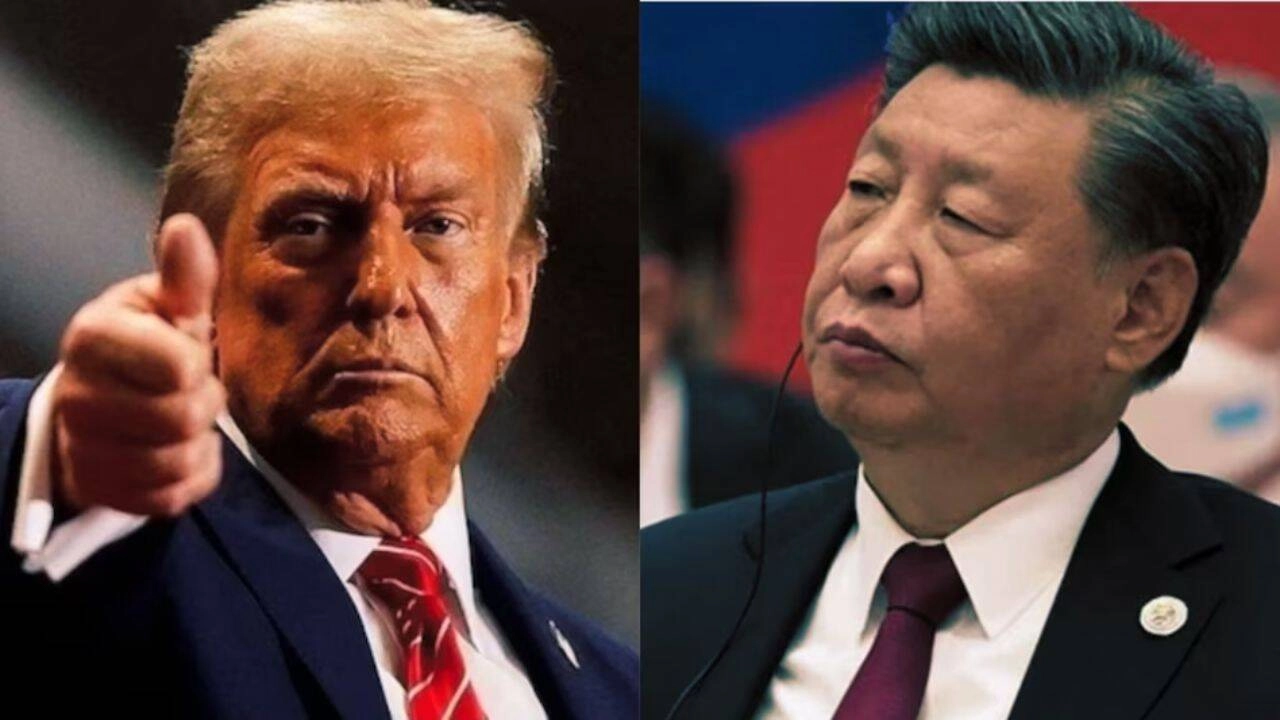
The United States has unleashed three significant strategic moves against China, escalating tensions not only between the two nations but also extending its influence and concerns to regions like Iran and Venezuela. This strategic maneuvering is a clear indication of the growing geopolitical rivalry and the multifaceted nature of international relations in today’s world. The actions taken by the US are perceived as a direct challenge to China’s rising influence, which has been a focal point of concern for the American administration.
As the US adopts a more aggressive stance, the global landscape is witnessing a shift in alliances and partnerships. Countries that have traditionally maintained a neutral or balanced approach are now being forced to reconsider their positions as the ramifications of US-China tensions spill over into other regions. In particular, the US’s increased focus on Iran and Venezuela highlights its broader strategy to contain not just Chinese influence but also to address other geopolitical hotspots that could potentially align with Beijing.
This situation has led to a significant upheaval in international relations, with nations around the world grappling with the implications of these strategic decisions. The ripple effects of such actions are felt in economic markets, security alliances, and diplomatic negotiations. As the US continues to deploy its “Brahmastra” tactics, the global community is left to navigate a complex web of alliances and conflicts that could redefine the balance of power in the coming years. The unfolding scenario serves as a reminder of the interconnectedness of global politics, where actions in one part of the world can trigger reactions and shifts in another, leading to an unpredictable future.