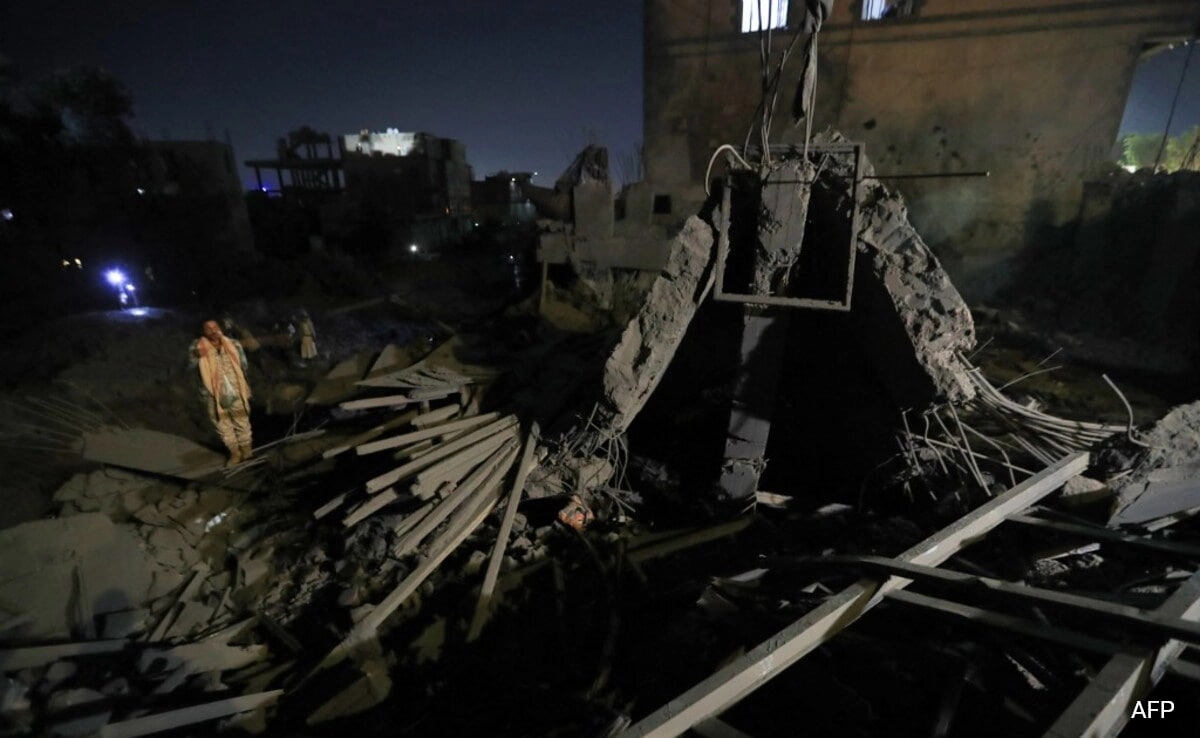
In a recent airstrike conducted by U.S. forces in Yemen’s capital, Sanaa, a tragic incident unfolded resulting in the death of one individual and injuries to at least fifteen others. This airstrike is part of a broader military engagement in the region, where the United States has been involved in counter-terrorism operations against various militant groups, including those affiliated with Al-Qaeda and ISIS. The decision to carry out such strikes often stems from intelligence reports indicating the presence of high-value targets or imminent threats to U.S. interests and allies. However, the collateral damage that ensues from these operations frequently raises concerns about civilian casualties and the ethical implications of military intervention.
The airstrike prompted immediate reactions from local residents and humanitarian organizations, who condemned the violence and emphasized the need for greater accountability in military operations. Eyewitness accounts described scenes of chaos and destruction, with families mourning the loss of loved ones and others struggling to cope with injuries sustained during the attack. This incident adds to the already dire humanitarian situation in Yemen, where ongoing conflict has led to widespread suffering, displacement, and food insecurity. The international community has been increasingly vocal about the need for a ceasefire and a diplomatic resolution to the conflict, which has persisted for years, exacerbating the plight of ordinary citizens caught in the crossfire.
In the wake of this airstrike, discussions surrounding U.S. foreign policy in the Middle East have resurfaced, with critics questioning the effectiveness and morality of such military actions. Advocates for peace argue that continued airstrikes may further destabilize the region and fuel anti-American sentiments among local populations. As humanitarian organizations call for immediate aid and support for affected civilians, it is evident that the consequences of military interventions extend far beyond the battlefield. The need for a comprehensive strategy that prioritizes diplomatic solutions and humanitarian assistance is increasingly urgent as the conflict in Yemen shows no signs of abating.
This airstrike serves as a stark reminder of the complexities involved in modern warfare, where the lines between combatants and civilians can often blur, leading to tragic outcomes. As the situation continues to evolve, it is crucial for all stakeholders to engage in meaningful dialogue aimed at resolving the underlying issues that have plagued Yemen for years. Only through sustained diplomatic efforts and a commitment to protecting civilian lives can a path toward lasting peace and stability be forged in this war-torn nation.