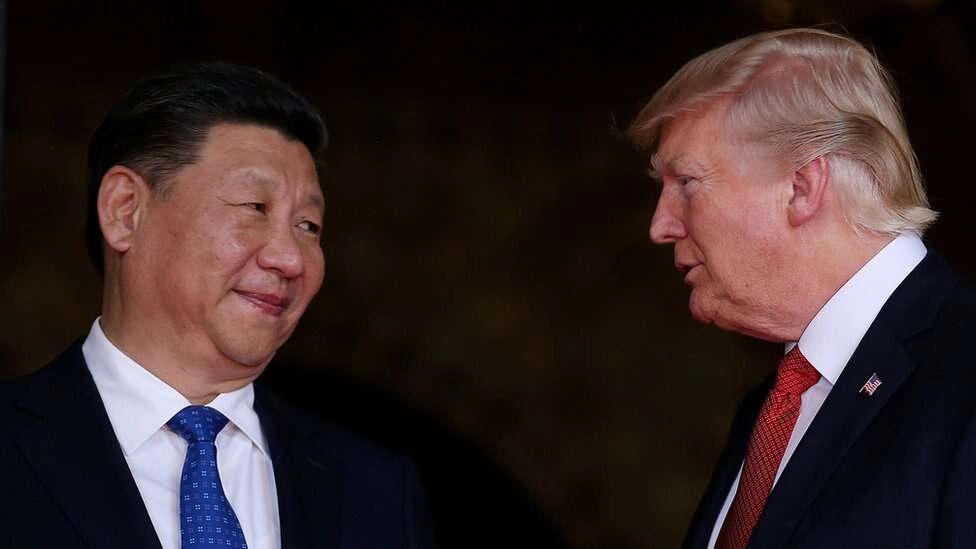
The United Nations recently witnessed a significant clash, highlighting the tensions between global powers. The focal point of this confrontation was the policies of former U.S. President Donald Trump, which have drawn sharp criticism from various nations, particularly China. The Chinese government, often referred to as the “Dragon,” expressed its discontent regarding Trump’s approach to international relations, particularly in the context of trade and diplomacy. This dissatisfaction reflects broader concerns among nations regarding unilateral actions that can destabilize global order and provoke conflicts.
Furthermore, the situation was exacerbated by the recent arrest of Venezuelan President Nicolás Maduro, which has raised eyebrows and led to heightened diplomatic tensions. The Chinese government issued a stern warning regarding the implications of such actions, indicating that the arrest could lead to further instability in the region and beyond. China’s response underscores its commitment to supporting its allies and promoting a multipolar world, where power is distributed among various nations rather than dominated by a single country, such as the United States.
This clash at the UN not only illustrates the rifts between major global players but also sheds light on the complexities of international diplomacy. The dynamics of power, alliances, and conflicts are ever-evolving, with nations like China asserting themselves more prominently on the world stage. The implications of these developments will be closely monitored, as they could significantly influence future geopolitical strategies and international relations. As nations navigate these turbulent waters, the importance of dialogue and cooperation becomes increasingly evident in addressing global challenges and maintaining peace.