The Kohinoor diamond, a legendary gemstone with a tumultuous history, has long been a subject of contention between India and the United Kingdom. Recently, the discussion surrounding its repatriation has gained renewed traction, especially following statements from an Indian-origin British minister. The diamond, which weighs in at an impressive 105 carats, was part of the British Crown Jewels and is believed to have originated from India, specifically from the Golconda mines. Its storied past includes being possessed by various Indian rulers before it was taken by the British during colonial rule.
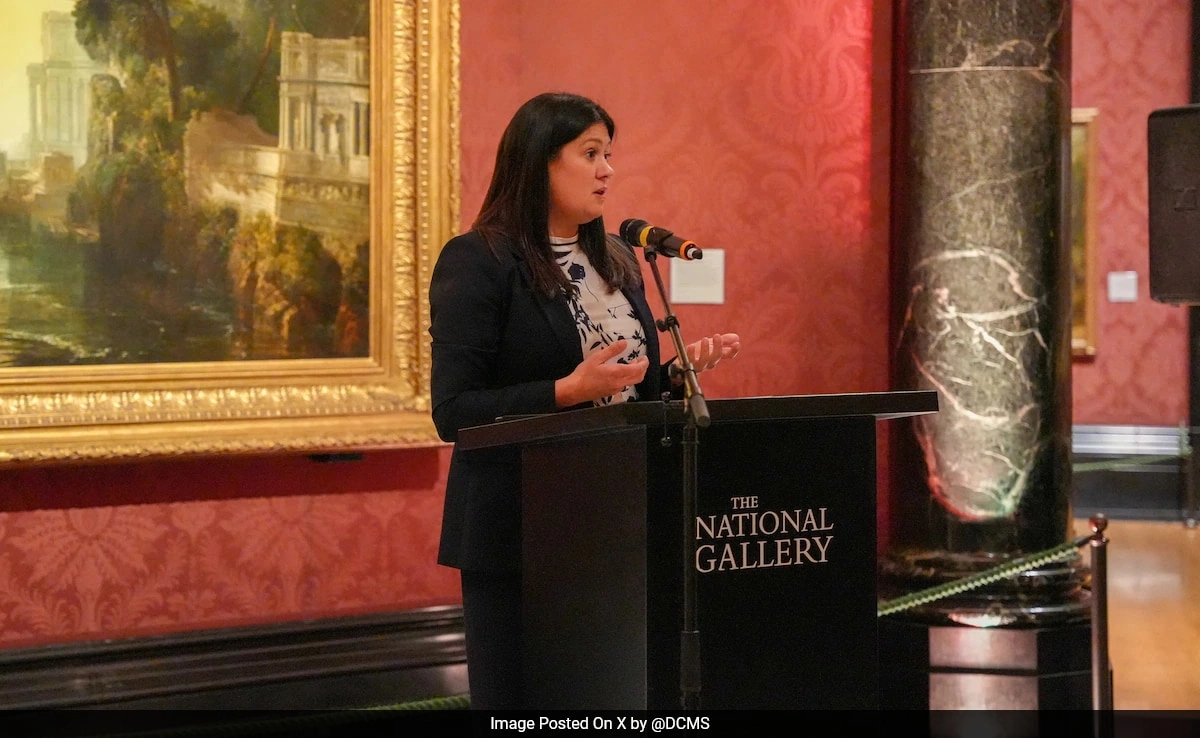
In a recent interview, the minister hinted at the possibility of sharing the Kohinoor with India, suggesting a diplomatic approach to the longstanding dispute. This statement has sparked a flurry of reactions from both sides of the debate, with many in India viewing it as a step towards rectifying historical wrongs. The sentiment among some Indian officials and citizens is that the diamond represents not just a piece of jewelry but a significant cultural artifact that embodies India’s rich heritage. There is a growing call for restitution of various artifacts taken during colonial times, with the Kohinoor being at the forefront of this movement.
The British government’s stance on the Kohinoor has historically been one of reluctance, often citing legal and logistical challenges in returning the diamond. However, with the evolving global narrative around colonialism and restitution, the recent comments from the minister indicate a potential shift in that position. This could pave the way for more meaningful dialogue between the two nations regarding cultural heritage and the return of other artifacts. The Kohinoor’s fate may also symbolize broader efforts to mend relationships that have been strained by historical grievances.
As discussions continue, the implications of sharing the Kohinoor could extend beyond just the diamond itself. It may represent a new chapter in UK-India relations, fostering cooperation and understanding. For many, the diamond is not merely a symbol of wealth but also a reminder of a shared history that involves both triumphs and tragedies. The potential for collaboration in cultural heritage could lead to a deeper appreciation of the complexities of colonial history and its lasting impact on former colonies. Whether the Kohinoor will be returned or shared remains uncertain, but the conversation it has ignited highlights the importance of addressing historical injustices in a modern context.