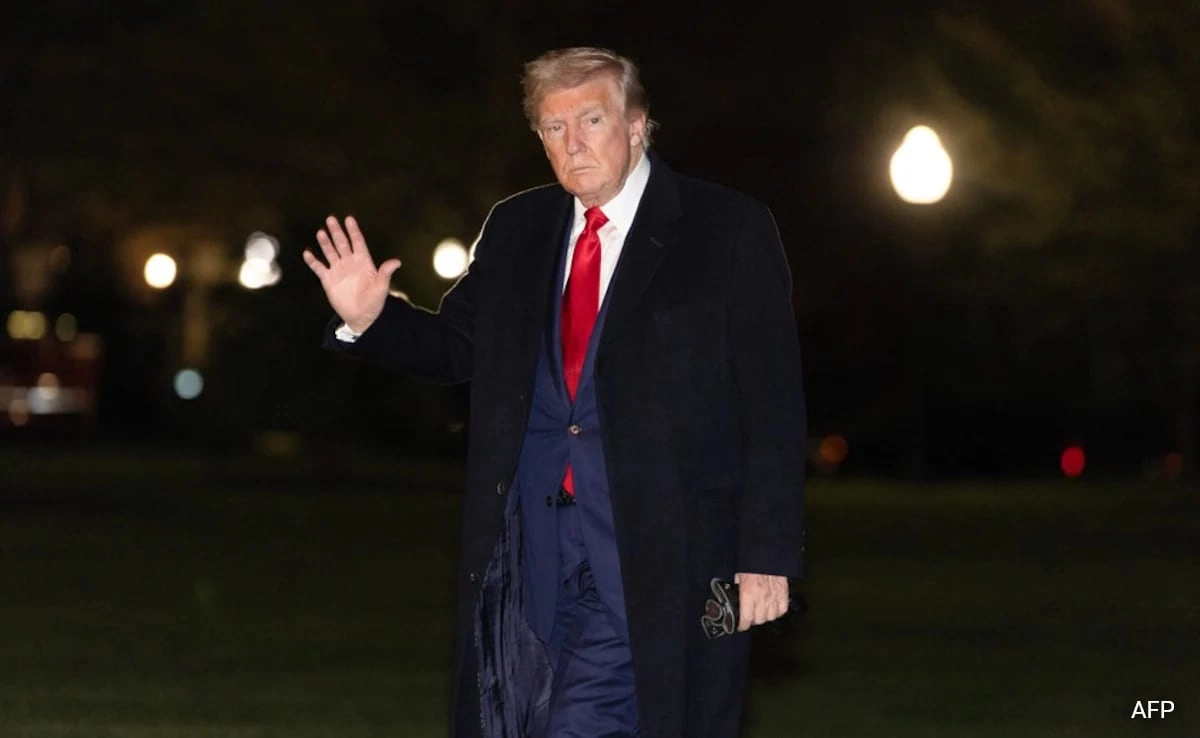
Former President Donald Trump recently issued a pointed warning to Harvard University, emphasizing the need for the institution to comply with his directives regarding foreign students. This statement comes amid growing concerns about the influence of foreign nationals on American education and the perceived divergence between elite institutions and the values of many Americans. Trump’s remarks reflect a broader political strategy that seeks to align higher education policies with national interests, especially in the context of immigration and international relations.
Trump’s warning is rooted in his belief that universities, particularly those with significant endowments like Harvard, should prioritize American students and align their admissions processes with national priorities. He has criticized elite institutions for what he views as a lack of accountability and transparency, suggesting that they often prioritize diversity over merit. By threatening to limit foreign student enrollment, Trump aims to rally support from his base, who may feel that their interests are being overshadowed by policies favoring international students. This rhetoric taps into broader sentiments about nationalism and the importance of prioritizing American citizens in various sectors, including education.
The implications of Trump’s warning could be significant, not only for Harvard but for higher education institutions across the country. If such policies were to be implemented, they could lead to a decrease in the number of international students, who contribute substantially to the academic environment and the economy. Many universities rely on tuition from foreign students, which can help fund scholarships and research initiatives. Thus, a shift in policy could have far-reaching consequences for the landscape of American higher education, affecting its competitiveness on a global scale.
Moreover, Trump’s stance raises questions about the future of the relationship between American universities and foreign nations. The exchange of ideas and cultures that international students bring is often cited as a crucial component of a robust educational experience. A stricter approach to foreign student admissions could potentially isolate American institutions from global educational trends and collaborations, which are increasingly important in an interconnected world. As universities navigate these complex issues, the balance between national interests and the benefits of a diverse educational environment will continue to be a contentious topic in the ongoing debate about the role of higher education in America.