Amidst Donald Trump’s threats regarding Greenland, questions have arisen about the military unity of Europe. The situation has sparked debates over the effectiveness and readiness of European nations to respond to potential threats, especially in light of Trump’s unpredictable foreign policy stance. The discussion centers on the need for cohesive military strategies among European countries, as geopolitical tensions continue to rise.
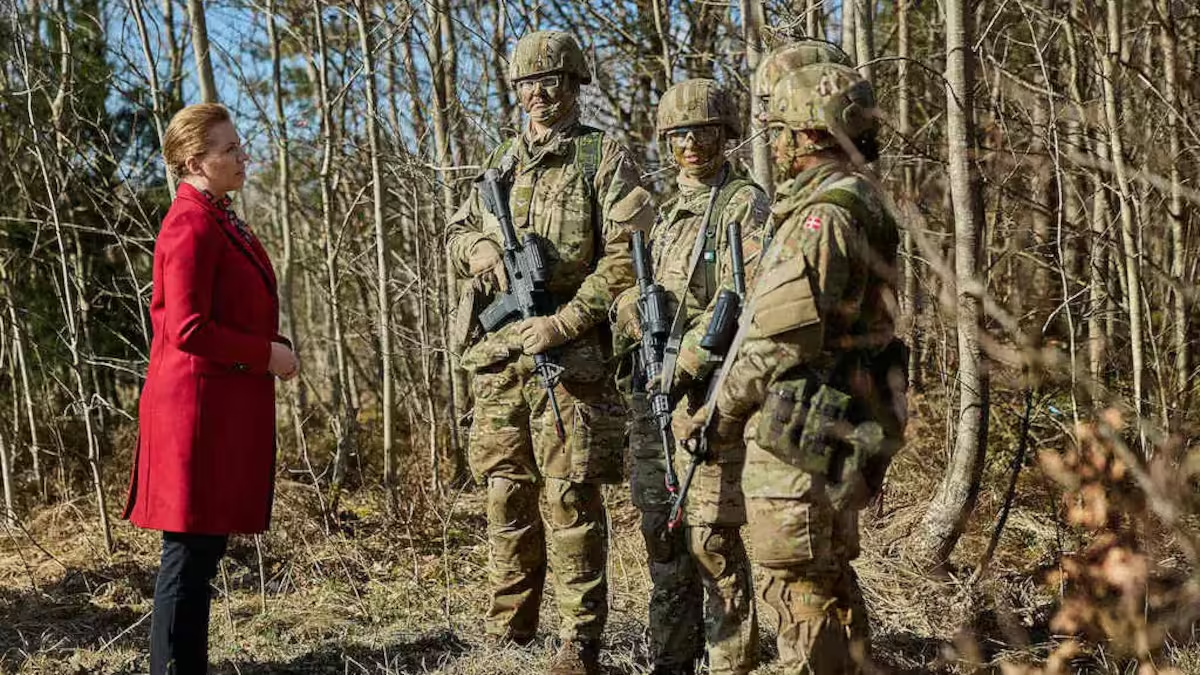
In a recent video footage that surfaced, the limited deployment of European forces was humorously critiqued, highlighting the disparity between the perceived military strength of the continent and its actual readiness for conflict. This light-hearted mockery underscores a serious concern: are European nations adequately prepared to defend their interests in the face of external pressures? The playful commentary serves as a reminder that, while military alliances like NATO exist, the real challenge lies in the commitment and coordination of member states.
As Trump continues to challenge traditional alliances and assert a more isolationist stance, European countries must evaluate their defense policies and military collaborations. The unity of Europe in military matters is not just about shared resources; it’s about collective will and the political resolve to act decisively when necessary. The current situation calls for introspection on how European nations can strengthen their alliances, enhance their military capabilities, and ensure that they are not left vulnerable in an increasingly unpredictable world.