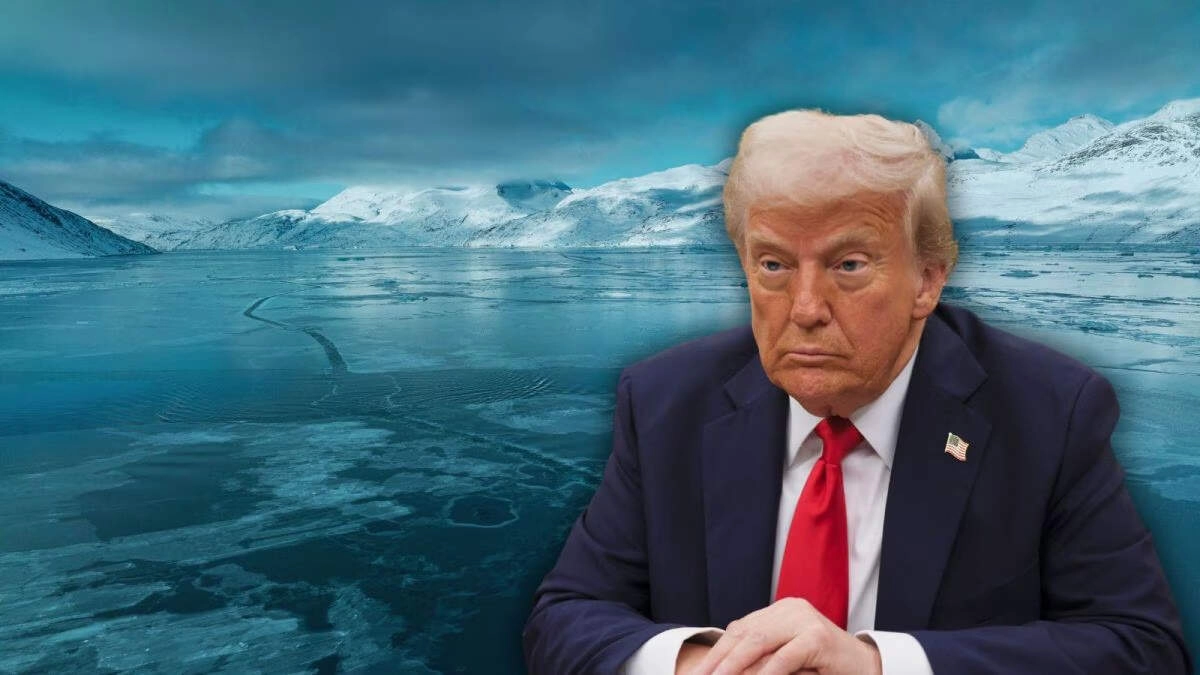
Former U.S. President Donald Trump’s imposition of tariffs and strategic maneuvers significantly impacted several global powers, creating a ripple effect in international relations. His administration’s protectionist policies aimed at shielding American industries from foreign competition, particularly from countries like China, led to increased tensions and trade wars. This resulted in a reconfiguration of alliances as nations sought to adapt to the shifting economic landscape. Countries that were once considered rivals began to collaborate in response to the challenges posed by the U.S. tariffs, prompting discussions about a new world order.
In this evolving geopolitical scenario, India, China, and the European Union (EU) are increasingly aligning their interests to establish a more balanced global framework. This collaboration is not just a reaction to U.S. policies but a strategic move to assert their influence on the world stage. India, with its growing economy and demographic advantages, seeks to play a pivotal role in this new order. China, being a major manufacturing hub, is looking to expand its reach and influence, while the EU aims to solidify its position as a formidable economic bloc that champions multilateralism.
The partnership between these three entities could lead to a more multipolar world, where power is distributed among various nations rather than being concentrated in one or two superpowers. This shift may foster greater cooperation on issues such as climate change, trade, and security, as these nations realize the importance of working together to address global challenges. As they navigate the complexities of international relations, the collaboration between India, China, and the EU could redefine global governance and economic policies for years to come. The emergence of this new world order highlights the dynamic and ever-changing nature of global politics in the wake of strategic economic decisions made by powerful nations.