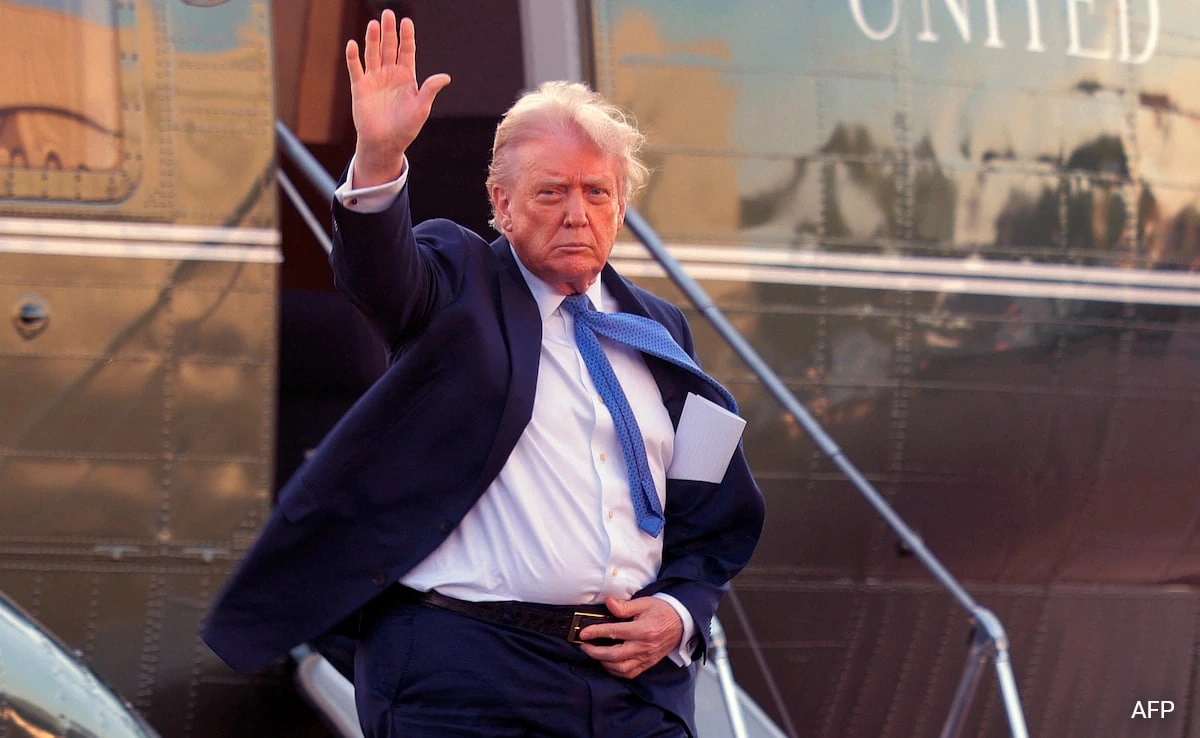
As Donald Trump embarks on the next 100 days of his presidency, the focus shifts from the initial excitement of taking office to the complex challenges that lie ahead. The early days of his administration were marked by high energy, ambitious promises, and a series of executive orders aimed at fulfilling his campaign pledges. However, the real test of leadership begins now, as Trump must navigate a landscape filled with political opposition, public scrutiny, and the intricacies of governance. With a deeply divided Congress and a nation that remains polarized, the coming days will demand strategic thinking and collaboration, if he hopes to achieve meaningful progress on his agenda.
One of the most pressing issues facing Trump is the need for bipartisan support to pass significant legislation. Key areas such as healthcare reform, tax policy, and infrastructure spending require not only a clear vision but also the ability to forge alliances across party lines. The initial enthusiasm that propelled him into office must now be harnessed to persuade reluctant lawmakers and address the concerns of constituents who may feel alienated by his policies. The challenge will be to balance his core supporters’ expectations with the need for broader appeal, all while managing a media landscape that is often critical and unforgiving.
Moreover, Trump’s approach to foreign policy will be under scrutiny as he seeks to assert American interests on the global stage. From trade negotiations to military engagements, the administration’s stance will have far-reaching implications. Navigating relationships with key allies and adversaries alike requires a nuanced understanding of international dynamics and the ability to adapt to evolving situations. As Trump confronts these challenges, the effectiveness of his leadership style—often characterized by bold statements and a penchant for confrontation—will be tested. The next 100 days will not only define his presidency but also set the tone for the remainder of his term.
In addition to legislative and foreign policy challenges, Trump must also contend with the implications of public opinion and the media’s role in shaping narratives around his presidency. The ongoing scrutiny of his administration’s actions, decisions, and controversies will require a robust communication strategy. Engaging with the public, addressing their concerns, and countering misinformation will be crucial for maintaining support. As he moves forward, Trump has the opportunity to demonstrate resilience, adaptability, and a commitment to serving all Americans, regardless of their political affiliation. The next chapter of his presidency promises to be both demanding and pivotal, with the potential to reshape the political landscape for years to come.