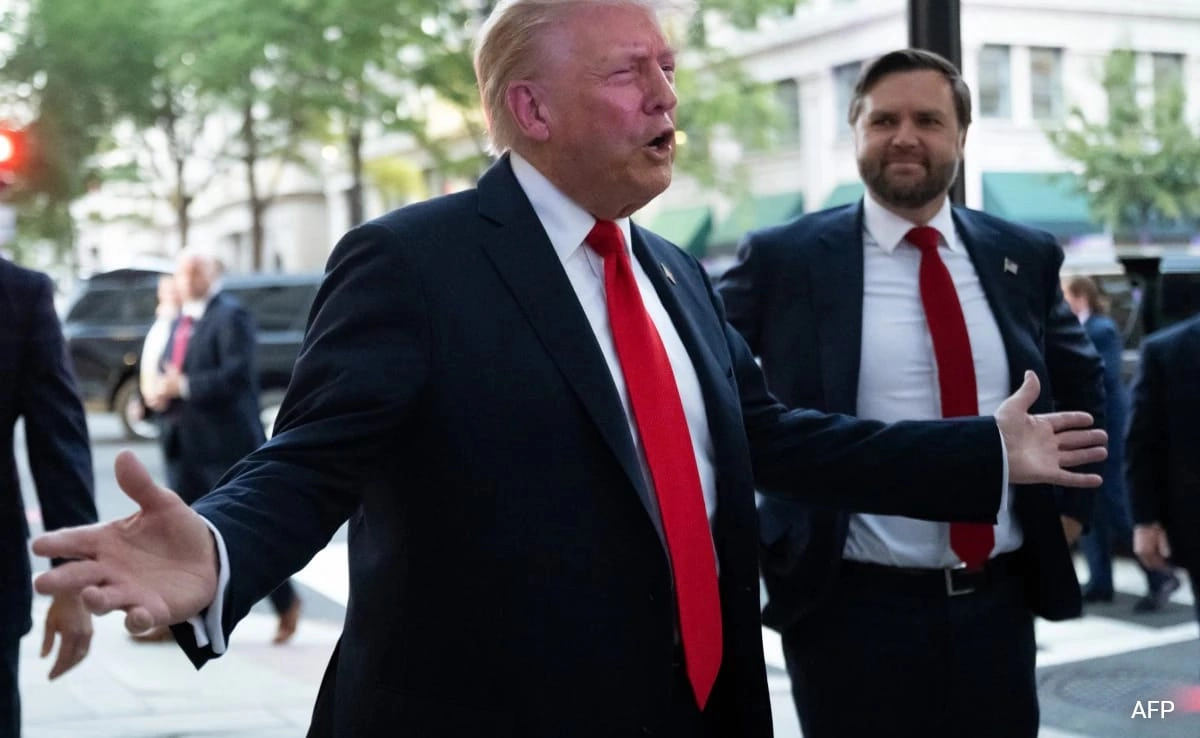
Donald Trump’s trade war, initiated shortly after he took office in January 2017, marked a significant shift in U.S. trade policy, emphasizing protectionism and a confrontational approach to international trade relations. The timeline of this chaotic trade war illustrates a series of escalating tariffs and retaliatory measures that unfolded between the United States and several key trading partners, particularly China. The administration’s primary goal was to address perceived trade imbalances and protect American industries, particularly manufacturing, which Trump argued were being unfairly harmed by foreign competition and trade practices.
The trade war formally began in March 2018 when the Trump administration announced tariffs on steel and aluminum imports, citing national security concerns. This move sparked immediate backlash from allies and adversaries alike, with countries such as Canada, Mexico, and the European Union responding with their own tariffs on American goods. However, the most significant escalation occurred in July 2018 when the U.S. imposed 25% tariffs on $34 billion worth of Chinese goods, leading to a tit-for-tat response from China, which targeted U.S. agricultural products and other exports. As the conflict intensified, it became clear that the trade war was not just about tariffs; it involved broader issues such as intellectual property theft, technology transfers, and market access.
Throughout 2019, the trade war saw numerous rounds of negotiations, with the U.S. and China exchanging proposals and counter-proposals in a bid to reach a comprehensive trade agreement. Despite several optimistic announcements, talks repeatedly stalled, leading to further tariff increases from both sides. By the end of 2019, the situation had evolved into a complex web of economic strategies and retaliations, with significant implications for global supply chains and economic growth. Industries such as agriculture, manufacturing, and technology faced considerable uncertainties as the trade war dragged on, impacting not just the U.S. economy but also those of its trading partners.
The pandemic in 2020 added an additional layer of complexity to the trade war, as the global economic landscape shifted dramatically. While the U.S. and China eventually signed a phase one trade deal in January 2020, which included commitments from China to increase purchases of U.S. goods, the enduring effects of the trade war continued to be felt. The chaos of Trump’s trade policies, characterized by abrupt decisions and shifting priorities, left many businesses scrambling to adapt to new realities. As the Biden administration took over in 2021, questions remained about the long-term impacts of Trump’s approach to trade and whether a more stable, multilateral approach could be restored in the coming years.