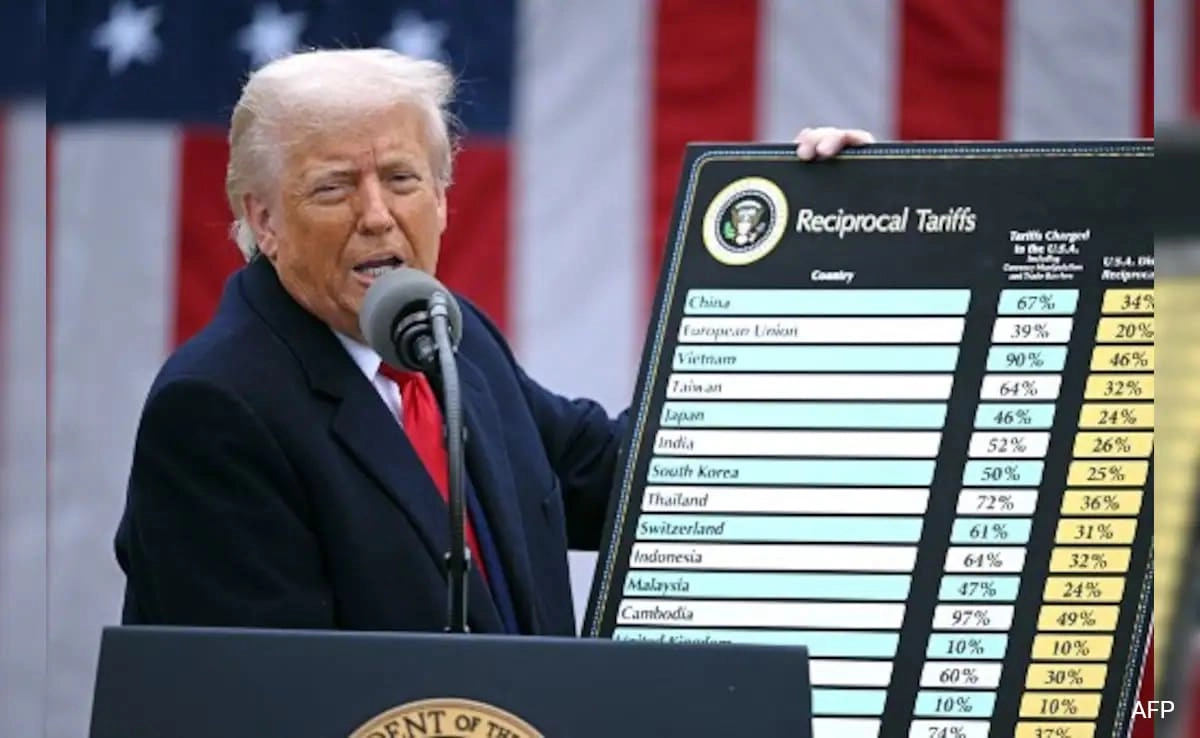
In a significant economic move, former President Donald Trump has announced a new policy that introduces a baseline tariff of 10% on all imports to the United States. This decision marks a pivotal shift in trade policy, reflecting Trump’s ongoing commitment to an “America First” approach. By imposing this tariff, Trump aims to bolster domestic industries and protect American jobs from foreign competition. The announcement has garnered mixed reactions, with supporters praising the effort to prioritize American workers, while critics express concerns about potential retaliatory measures from other nations and the impact on consumer prices.
The rationale behind the 10% tariff is rooted in the belief that foreign goods often undermine local manufacturing by being cheaper due to lower labor costs and less stringent regulations. Trump argues that this baseline tariff will encourage consumers to buy American-made products, thereby stimulating the national economy. Furthermore, the administration is optimistic that this policy will incentivize companies to invest in U.S. production facilities, ultimately leading to job creation and economic growth. However, the effectiveness of such tariffs in achieving these goals remains a topic of heated debate among economists and policymakers.
Critics of the tariff warn that while it may provide short-term relief for certain industries, it could lead to increased costs for consumers as businesses pass on the tariff expenses. Additionally, there are fears that such a sweeping tariff policy could provoke other countries to retaliate, resulting in a trade war that could harm the global economy. The interconnected nature of modern trade means that disruptions and increased costs can ripple through various sectors, affecting everything from electronics to food products.
As the U.S. grapples with the implications of this new tariff policy, stakeholders across the economic spectrum will be closely monitoring its effects. The potential for trade tensions to escalate into broader conflicts could reshape international relations and impact global supply chains. Supporters hope that the tariffs will create a more level playing field for American manufacturers, while opponents caution that the long-term consequences may outweigh the immediate benefits. The unfolding scenario will require careful navigation to balance the interests of American workers with the complexities of a globalized economy.