
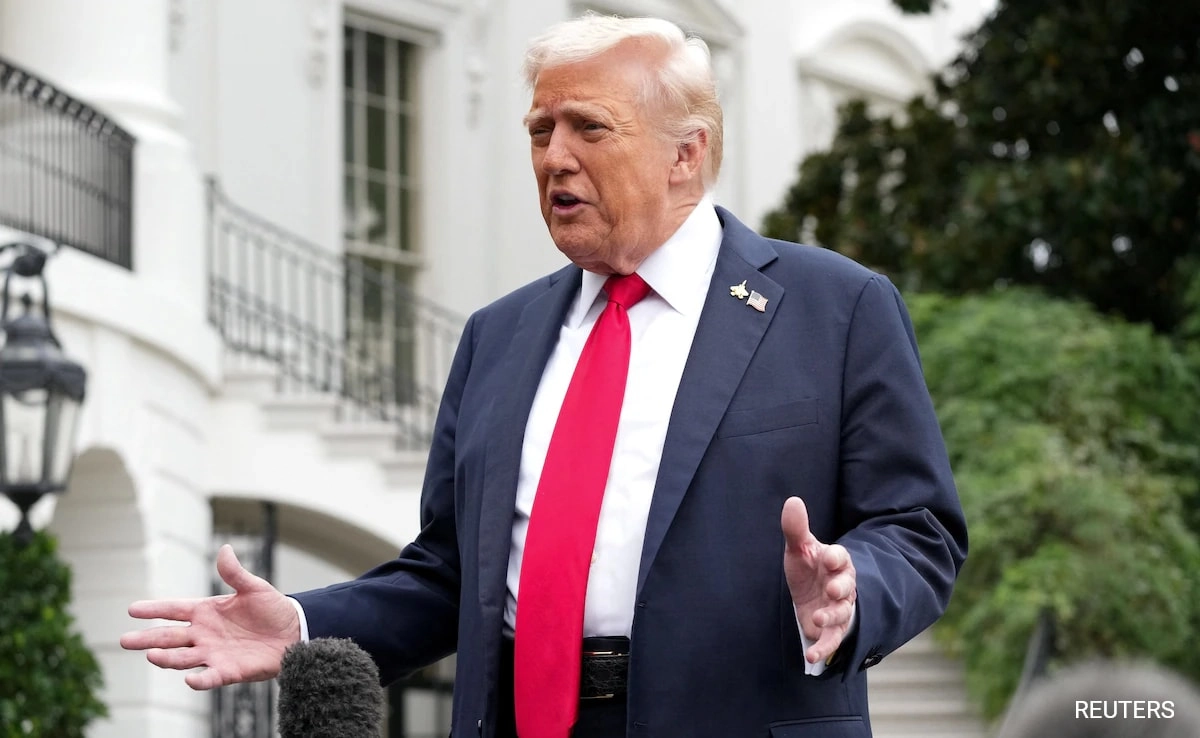
In a significant development regarding national security and civil unrest, former President Donald Trump has authorized the deployment of federal troops to Chicago. This decision comes amid a backdrop of escalating violence and unrest in the city, as authorities grapple with rising crime rates and protests. Trump’s move has drawn attention to the ongoing debates about federal intervention in local matters, particularly in cities experiencing social and political turmoil. The deployment aims to restore order and support local law enforcement in managing the challenges posed by unrest and violence.
Contrastingly, a federal judge has issued a ruling that blocks the deployment of troops to Portland, Oregon, where protests have been ongoing in response to various social justice issues. This legal decision highlights the complexities surrounding the use of federal troops in domestic situations, raising questions about the balance of power between federal and state authorities. The judge’s ruling underscores concerns over the potential for escalation in violence and the implications of federal presence in communities that are already tense. Critics of the deployment argue that such actions could exacerbate tensions, rather than resolve the underlying issues driving the unrest.
The juxtaposition of these two scenarios—Trump’s authorization for Chicago and the judicial ruling against Portland—illustrates the contentious landscape of law enforcement and civil rights in America. While some view the federal troop deployment as a necessary measure to restore law and order, others fear that it may infringe on civil liberties and escalate conflicts between citizens and law enforcement. As the nation grapples with these issues, the responses from local communities and law enforcement agencies will be crucial in shaping the outcomes of these interventions. The situation continues to evolve, with various stakeholders closely monitoring developments and the implications for future federal involvement in local affairs.


