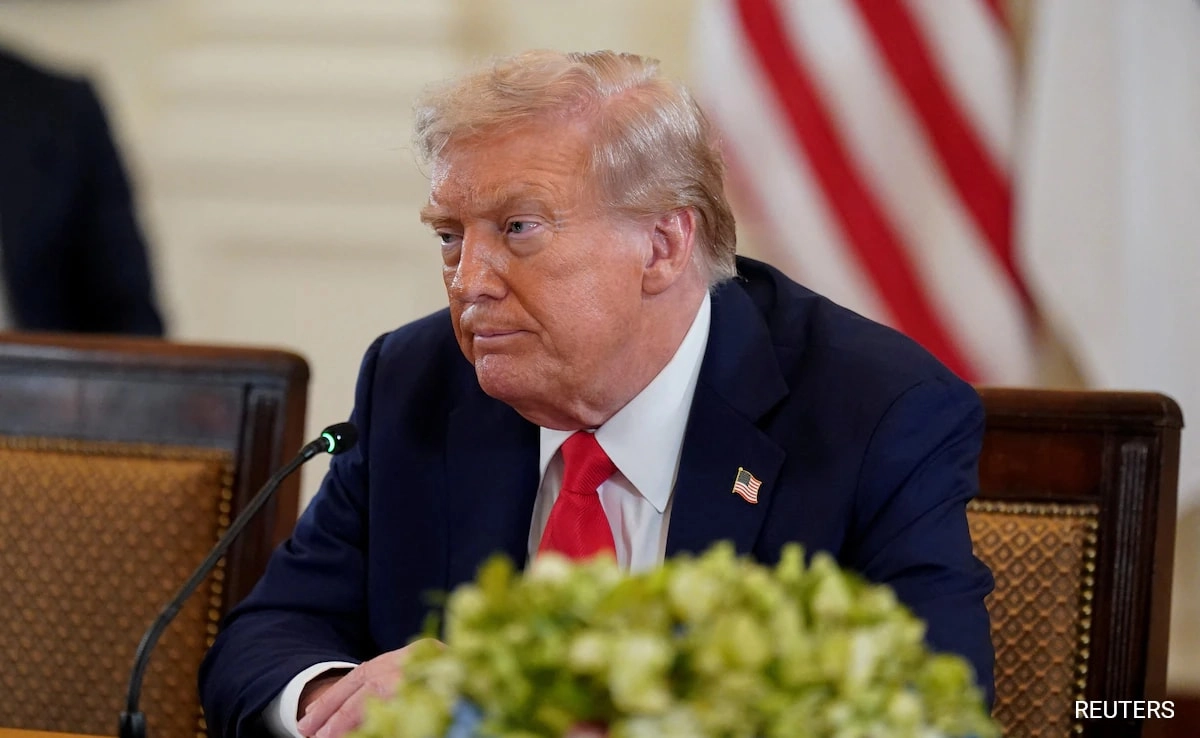
Former President Donald Trump has indicated that he is likely to visit China later this year for a meeting with President Xi Jinping. This potential trip comes at a time when U.S.-China relations are strained, marked by ongoing tensions over trade policies, military activities in the South China Sea, and differing approaches to global issues such as climate change and public health. A meeting between the two leaders could serve as an opportunity to address these critical issues directly, fostering dialogue that could lead to a more stable and cooperative relationship between the two nations.
Trump’s announcement reflects a broader strategy of engagement with world leaders, emphasizing the importance of direct communication in resolving international disputes. While in office, he often took a confrontational stance towards China, particularly regarding trade imbalances and intellectual property theft. However, this proposed visit suggests a willingness to engage in diplomacy and explore avenues for collaboration. Such interactions are crucial not only for bilateral relations but also for global stability, as the U.S. and China are two of the world’s largest economies and play significant roles on various international fronts.
As the geopolitical landscape continues to evolve, Trump’s potential visit could also be seen as a move to reassert his influence on the global stage. It raises questions about the future of U.S.-China relations and what this could mean for international trade and security. Observers will be watching closely to see if the meeting materializes and what outcomes might emerge from discussions between the two leaders. The visit could provide a platform for addressing contentious issues while also exploring opportunities for cooperation in areas like climate change, where both nations have critical roles to play. Ultimately, Trump’s planned trip could have significant implications not just for U.S.-China relations, but for international dynamics as a whole.