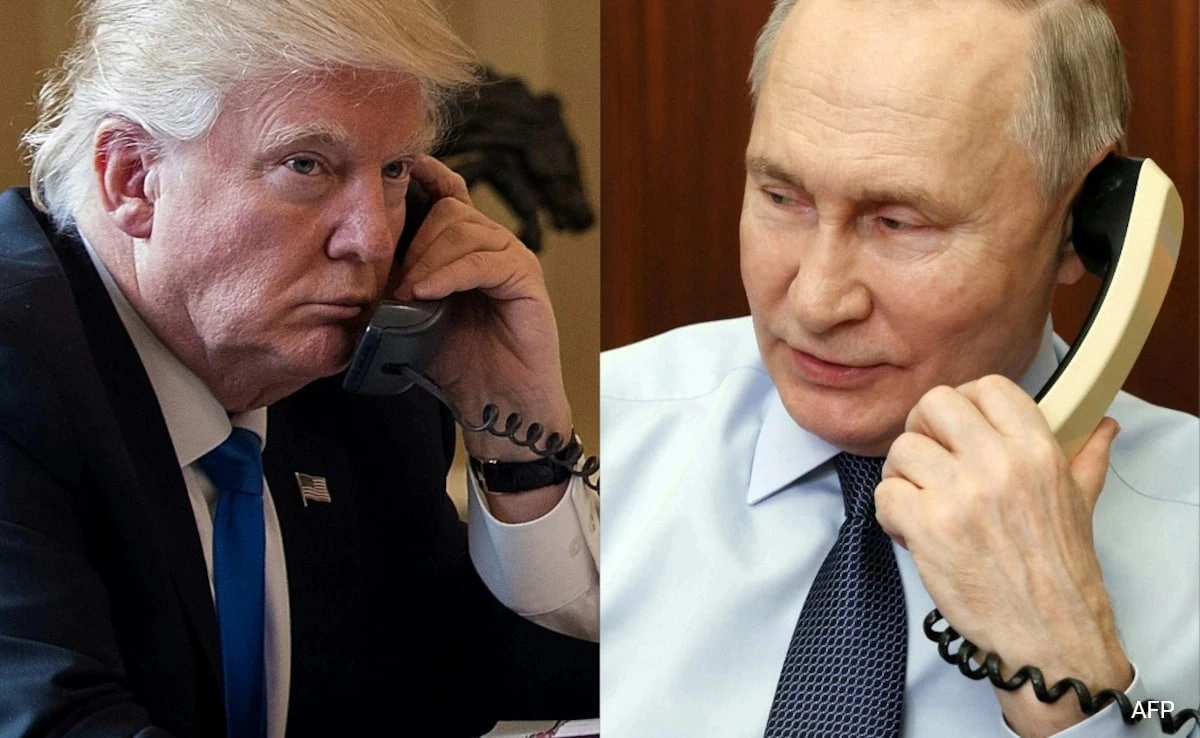
In a recent interview, former President Donald Trump expressed his intense frustration regarding the ongoing conflict in Ukraine, particularly focusing on Russian President Vladimir Putin’s role in the war. Trump’s remarks highlighted a deep sense of anger towards the situation, suggesting that he feels the repercussions of the war extend far beyond Ukraine itself. He characterized his feelings as being “very angry” and “pissed off,” underscoring the emotional weight that the conflict carries for him. This sentiment reflects not only his personal views but also resonates with many Americans who are concerned about the implications of the war on global stability and security.
Trump’s criticism of Putin comes at a time when the international community is grappling with the consequences of the war. His statements indicate a shift from his previous stance, where he often defended or downplayed Putin’s actions. The former president’s anger seems to stem from the perception that the conflict has escalated unnecessarily and that it has had dire consequences for the lives of countless individuals. This evolving narrative suggests a more complex understanding of the geopolitical landscape, as Trump acknowledges the significant impact of Putin’s decisions on both Ukraine and the broader world.
Moreover, Trump’s comments may also serve to align himself with the growing bipartisan frustration in the United States regarding the war. As public opinion shifts, many Americans are calling for a stronger response to Russian aggression. By voicing his discontent, Trump seems to be positioning himself as a leader who recognizes the stakes involved in the conflict. His words resonate with those who feel that the U.S. should take a firmer stand against authoritarian regimes and protect democratic values globally. This could potentially influence his political narrative as he seeks to connect with voters who prioritize national security and international diplomacy.
In the larger context, Trump’s remarks highlight the complexities of international relations and the balancing act leaders must navigate in responding to global conflicts. The war in Ukraine has not only reshaped the dynamics within Europe but has also prompted a reevaluation of alliances and military strategies worldwide. As the situation continues to evolve, the responses from various leaders, including Trump, will be crucial in shaping the future of U.S.-Russia relations and the overall approach to foreign policy. The anger expressed by Trump serves as a reminder of the emotional and political stakes involved in international conflicts, and it raises important questions about how leaders can effectively address such crises while maintaining their domestic agendas.