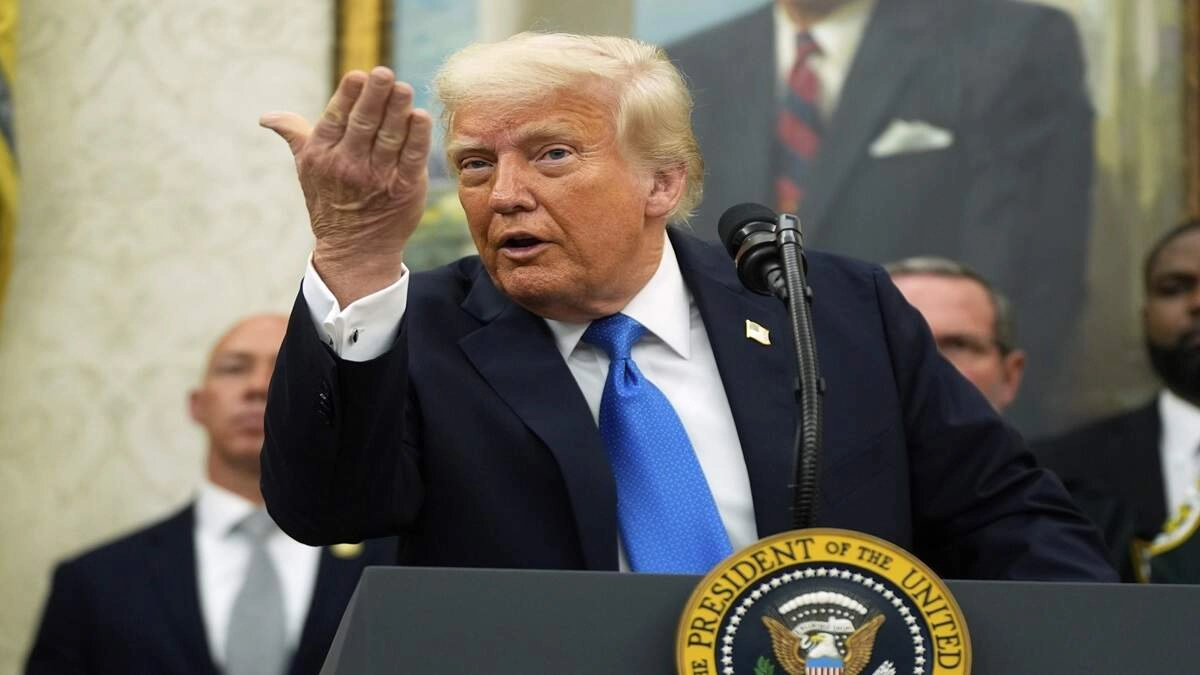
The Trump administration implemented stricter entry regulations, effectively closing the borders of the United States to citizens from seven specific countries. This significant move was part of a broader policy aimed at enhancing national security and addressing concerns related to immigration. The countries affected by this ban included those identified as having issues related to terrorism or insufficient vetting processes for individuals seeking entry into the U.S.
This decision sparked considerable debate and controversy both domestically and internationally. Critics argued that the ban was discriminatory and unjust, targeting individuals based on their nationality rather than their personal history or intentions. Many advocates for civil rights and immigration reform challenged the legality and morality of such a sweeping measure, emphasizing the importance of maintaining an inclusive society that values diversity and the contributions of immigrants.
On the other hand, supporters of the policy argued that it was a necessary step to protect the American people from potential threats. They contended that the government had a responsibility to prioritize national security and ensure that those entering the country could be thoroughly vetted. The implications of this policy were far-reaching, impacting thousands of individuals and families who found themselves unable to enter the U.S. for work, education, or reunification with relatives.
As the implementation of the ban faced legal challenges, the administration remained steadfast in its commitment to enforcing stricter immigration measures. This situation highlighted the ongoing tension between national security concerns and the principles of tolerance and acceptance that are often associated with American values. The long-term effects of these policies continue to be a topic of discussion and analysis, influencing the broader discourse on immigration reform and the future of U.S. foreign policy.