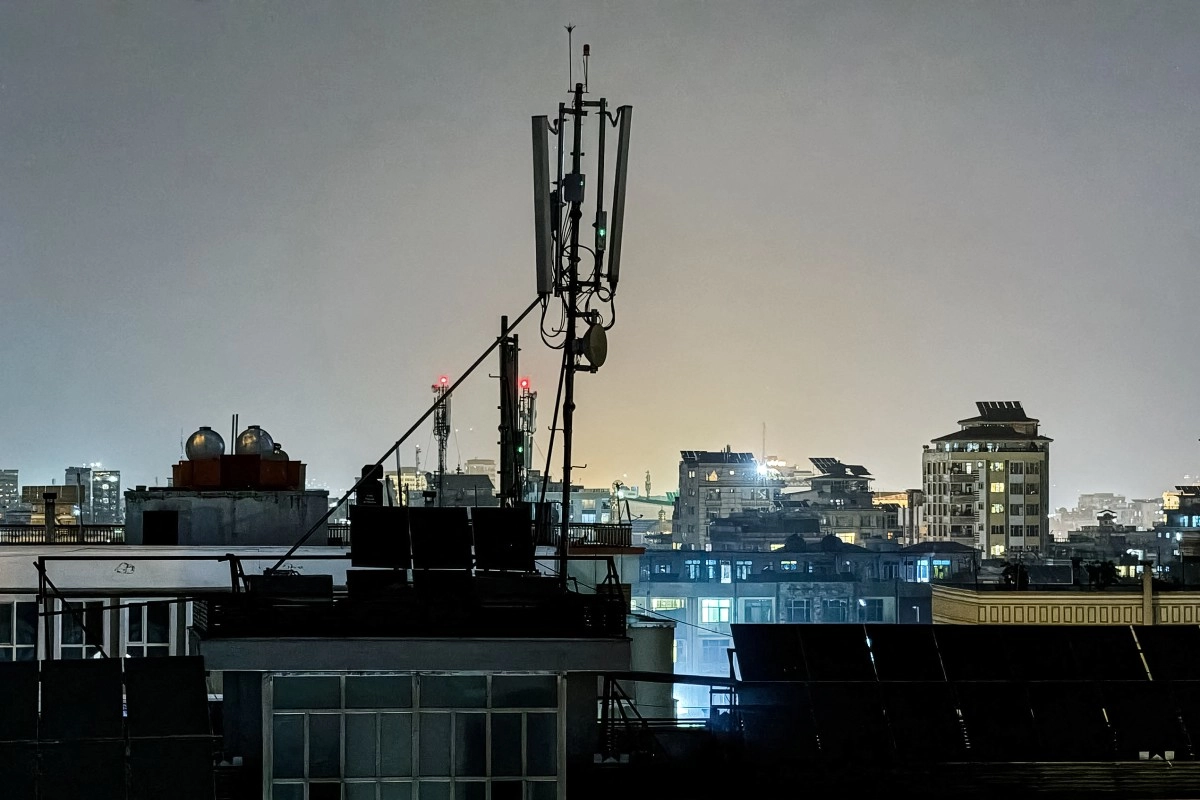
The Taliban has recently come under scrutiny for alleged internet restrictions, yet they have firmly denied imposing any outright ban on internet access. Instead, the group attributes the ongoing connectivity issues to a deteriorating infrastructure that is struggling to meet the demands of the population. The Taliban’s explanation suggests that the challenges faced by citizens in accessing the internet are not a result of governmental censorship or control, but rather stem from the physical limitations and decay of the existing telecommunications systems in Afghanistan.
This claim has sparked debates among various stakeholders, including local citizens, international observers, and human rights organizations. Many are skeptical of the Taliban’s narrative, pointing out that the government has previously shown an inclination toward controlling information and limiting access to platforms that they deem politically sensitive or contrary to their ideological stance. The context of Afghanistan’s recent history, particularly the Taliban’s return to power and its implications for freedom of expression, further complicates the situation. As a result, the public remains wary of the government’s assurances, questioning whether the connectivity issues are indeed merely infrastructural or if they signal a deeper intent to restrict information flow.
The infrastructure in Afghanistan has long been fragile, suffering from years of conflict and neglect. The Taliban’s acknowledgment of these shortcomings highlights a significant challenge that the regime faces as it seeks to govern effectively. Many Afghans rely on the internet for communication, education, and access to information, making it a crucial tool for daily life. The inability to provide stable internet services could hinder the Taliban’s efforts to gain legitimacy and support among the populace, as well as complicate relations with international partners who prioritize connectivity and technological advancement.
In the broader scope, the situation raises important questions about the future of digital rights in Afghanistan. As the Taliban navigates its role as the governing body, the struggle between maintaining control over information and addressing the needs of a tech-savvy population will be pivotal. How the Taliban addresses these connectivity issues will ultimately shape its relationship with the citizens it governs and impact the socio-political landscape of the country moving forward. The world will be watching closely to see whether the infrastructure challenges are genuinely the root cause of the internet disruptions or if they are merely a cover for more restrictive policies.