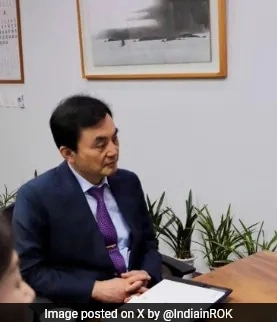
In a historic move, South Korea has appointed its first civilian Defence Minister in over six decades, marking a significant shift in the country’s approach to its military leadership. This groundbreaking decision reflects a broader trend towards civilian oversight in defense matters, a concept that has gained traction in many nations around the world. The appointment comes at a time when South Korea faces numerous security challenges, particularly from North Korea, which continues to pursue its nuclear ambitions and engage in provocative military activities. By placing a civilian in this pivotal role, South Korea aims to foster a more comprehensive and inclusive security policy that takes into account not only military considerations but also diplomatic and humanitarian aspects.
The new Defence Minister’s appointment is seen as a step towards enhancing the democratic accountability of the military. Historically, South Korea’s defence establishment has been dominated by military personnel, a legacy of the country’s past authoritarian regimes. The shift towards civilian leadership is expected to facilitate greater transparency and public engagement in defense policy-making. This change is particularly crucial as South Korea navigates its complex relationships with both North Korea and other regional powers. The civilian minister is tasked with balancing the need for robust national defense while also pursuing diplomatic avenues to reduce tensions and foster dialogue.
In addition to addressing immediate security concerns, the appointment of a civilian Defence Minister is also symbolic of a larger societal transformation within South Korea. It reflects the increasing role of civil society in governance and the desire for a more democratic approach to national security issues. This transition is likely to inspire further reforms within the military and government, promoting a culture that values accountability and collaboration. As South Korea continues to modernize its defense strategy in response to evolving threats, the presence of a civilian leader at the helm of the Ministry of National Defense could lead to innovative approaches that prioritize not just military strength but also peace and stability in the region.