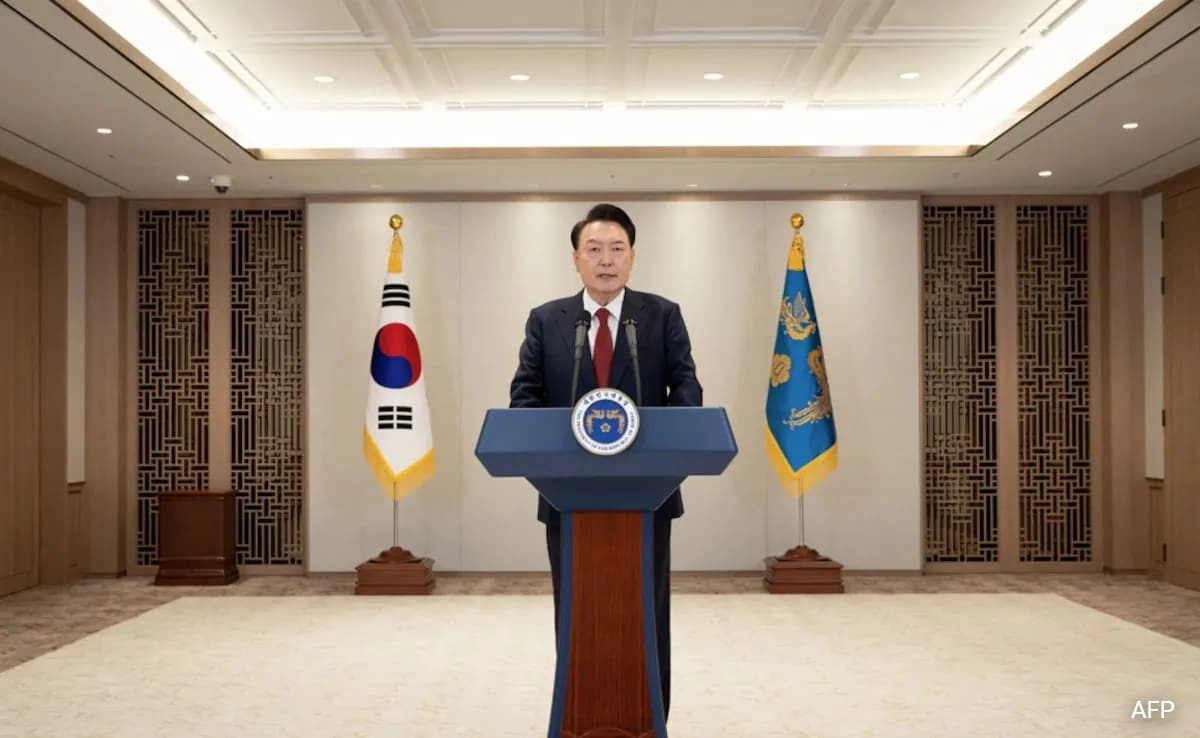
A South Korean court has upheld the impeachment of President Yoon Suk-yeol, a significant political event that underscores the country’s ongoing struggles with issues of governance and civil liberties. The court’s decision comes in the wake of Yoon’s controversial attempt to impose martial law during widespread protests against his administration’s policies. This move to declare a state of emergency raised alarms among citizens and political analysts alike, as it was perceived as an overreach of executive power in a democratic society. The implications of this ruling extend beyond Yoon’s presidency; they reflect a broader societal debate about the balance between national security and individual freedoms.
The court’s ruling is seen as a pivotal moment in South Korea’s political landscape, where the interplay between governmental authority and public dissent has long been a contentious issue. Critics of Yoon’s administration have argued that his attempts to establish martial law were not only unnecessary but also an infringement on the rights of citizens to assemble and express dissenting views. By upholding the impeachment, the court has reinforced the notion that political leaders must be held accountable for their actions, particularly when those actions threaten the democratic fabric of the nation.
Furthermore, this ruling may set a precedent for future administrations, signaling to current and aspiring leaders that the judiciary in South Korea remains vigilant against abuses of power. As the nation grapples with its democratic principles, this decision emphasizes the importance of checks and balances within the government. The court’s action serves as a reminder that the rule of law must prevail, even in times of crisis. For South Koreans, this ruling could foster a renewed commitment to civil liberties and democratic governance, motivating citizens to remain engaged in the political process and to hold their leaders accountable.
In the coming weeks, the political ramifications of this ruling will likely unfold, with potential implications for Yoon’s policies and the future direction of his administration. Observers will be watching closely to see how Yoon reacts to this setback and whether he will adjust his approach to governance in light of the court’s decision. This incident serves as a crucial chapter in South Korea’s ongoing journey toward a more robust democracy, highlighting the delicate balance between authority and liberty that lies at the heart of democratic governance.