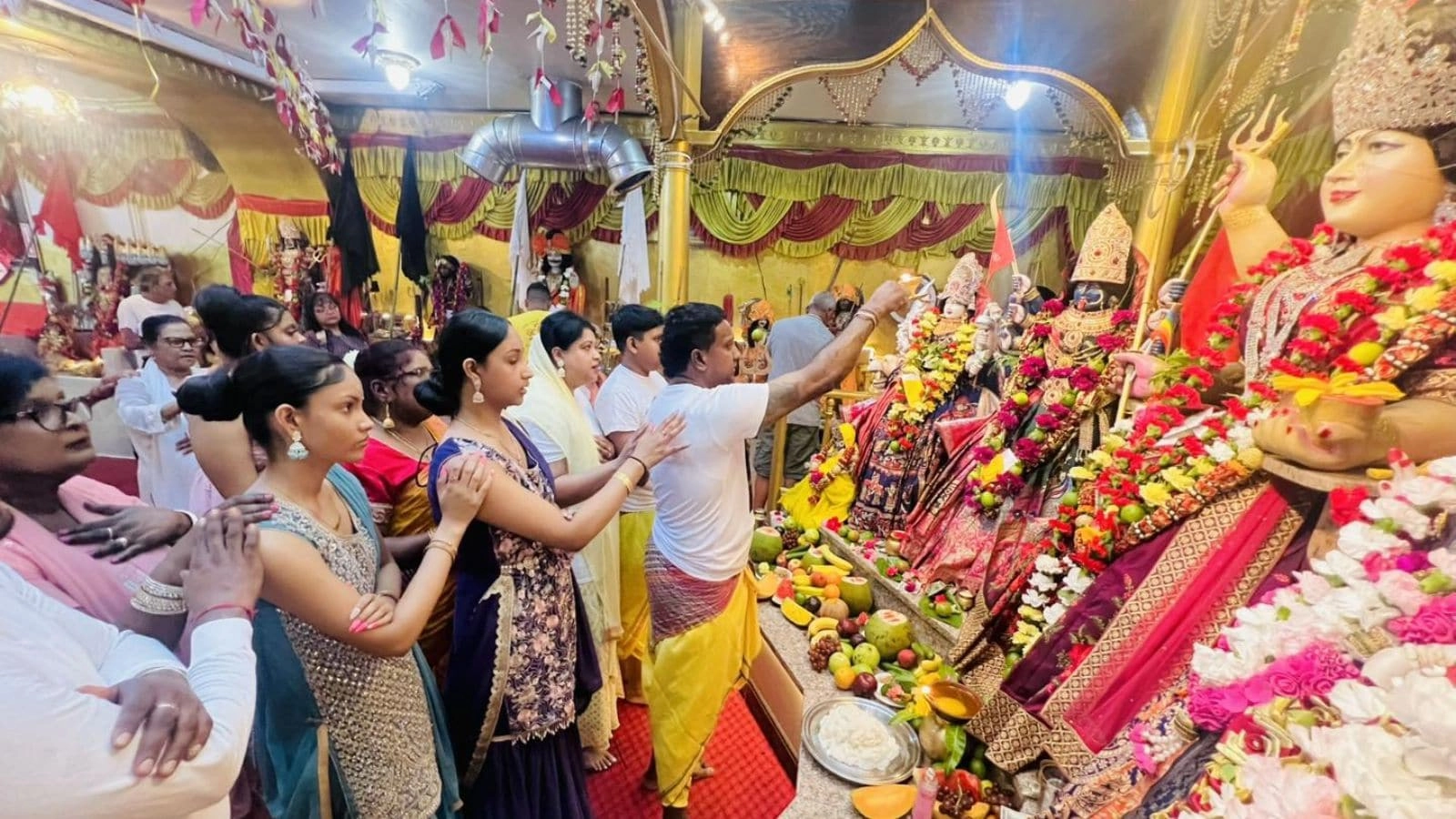
In the heart of New York City, a significant struggle is underway to preserve a sacred space that holds deep meaning for the local Hindu community. The fight centers around a temple that has become a sanctuary for many individuals who often feel overlooked and marginalized in the bustling urban landscape. For countless devotees, this temple is not just a place of worship; it embodies a refuge where they can connect with their spirituality, seek solace, and find a sense of belonging amidst the chaos of city life. The temple serves as a vital community hub, offering support and resources to those who often go unheard and unseen in society.
The preservation of this temple is not merely about protecting a physical structure; it symbolizes a broader fight for cultural identity and representation within a diverse metropolis. As the city continues to evolve and gentrification looms, many long-standing institutions that cater to specific communities face the threat of displacement. The temple has stood as a bastion for Hindu traditions, allowing devotees to engage in rituals and practices that are essential to their spiritual and cultural heritage. Community members have rallied together, organizing protests and awareness campaigns to highlight the importance of maintaining such spaces that foster cultural exchange and understanding.
Moreover, the struggle to save the temple underscores the need for a more inclusive dialogue about the preservation of cultural landmarks in urban environments. As cities grow and change, it is crucial to recognize the significance of spaces that support minority populations. The temple represents not just a place of worship, but also a testament to the resilience of a community striving to maintain its identity in an ever-changing landscape. By advocating for the temple’s preservation, community members are not only fighting for their own spiritual home but are also championing the rights of all marginalized groups to have their voices heard and their histories honored.
As the legal and community battles continue, the plight of the temple serves as a poignant reminder of the broader challenges faced by immigrant communities in urban settings. The outcome of this fight will have implications that extend beyond the walls of the temple itself, potentially influencing how cities approach cultural preservation in the future. Ultimately, the dedication shown by the Hindu community in New York reflects a profound commitment to ensuring that their traditions and values endure, enriching the cultural tapestry of the city and providing a voice for those who have long been overlooked.