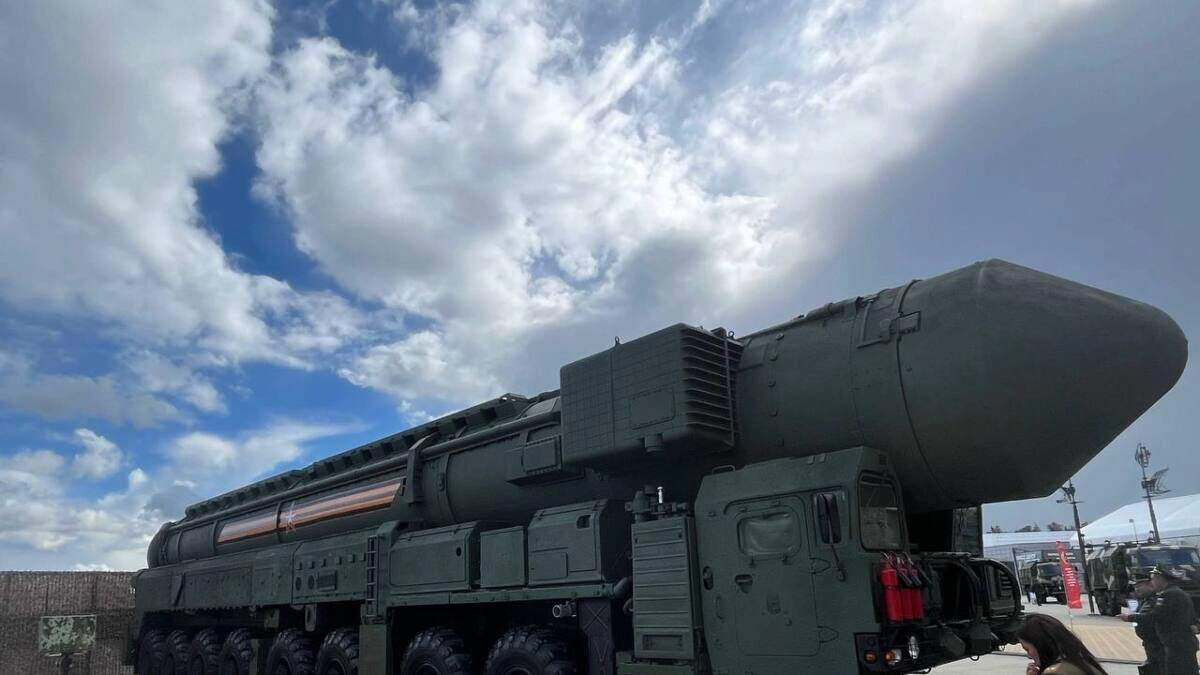
Russia possesses some of the most devastating weapons in the world, among which its advanced missiles stand out as particularly lethal. These missiles have the capability to reduce entire cities to ruins within moments, showcasing the sheer destructive power that Russia has at its disposal. Understanding the range and speed of these missiles is crucial, as it highlights the strategic advantage they provide in military scenarios.
One of the most notable missile systems is the “Sarmat” intercontinental ballistic missile (ICBM), which is designed to carry multiple warheads and has an impressive range. With the ability to strike targets thousands of kilometers away, the Sarmat can reach its destination in a matter of minutes, making it a formidable deterrent against potential adversaries. Its speed and maneuverability also enable it to evade modern missile defense systems, ensuring that it can deliver its payload with devastating effectiveness.
In addition to the Sarmat, Russia has developed various other missile systems, including the “Kinzhal” hypersonic missile, which can travel at speeds exceeding Mach 10. This incredible speed allows the Kinzhal to bypass traditional defense systems, posing a significant threat to any nation that might consider engaging in conflict with Russia. The combination of speed, range, and precision makes these missiles a cornerstone of Russia’s military strategy, reinforcing its position on the global stage as a superpower capable of significant military action.
As geopolitical tensions continue to rise, the existence and capabilities of these missiles serve as a stark reminder of the destructive potential that exists in modern warfare. Understanding the implications of such weaponry is essential for international relations and global security, as the balance of power shifts with advancements in military technology. Russia’s arsenal, particularly its missile capabilities, thus remains a critical focal point for analysts and policymakers worldwide.