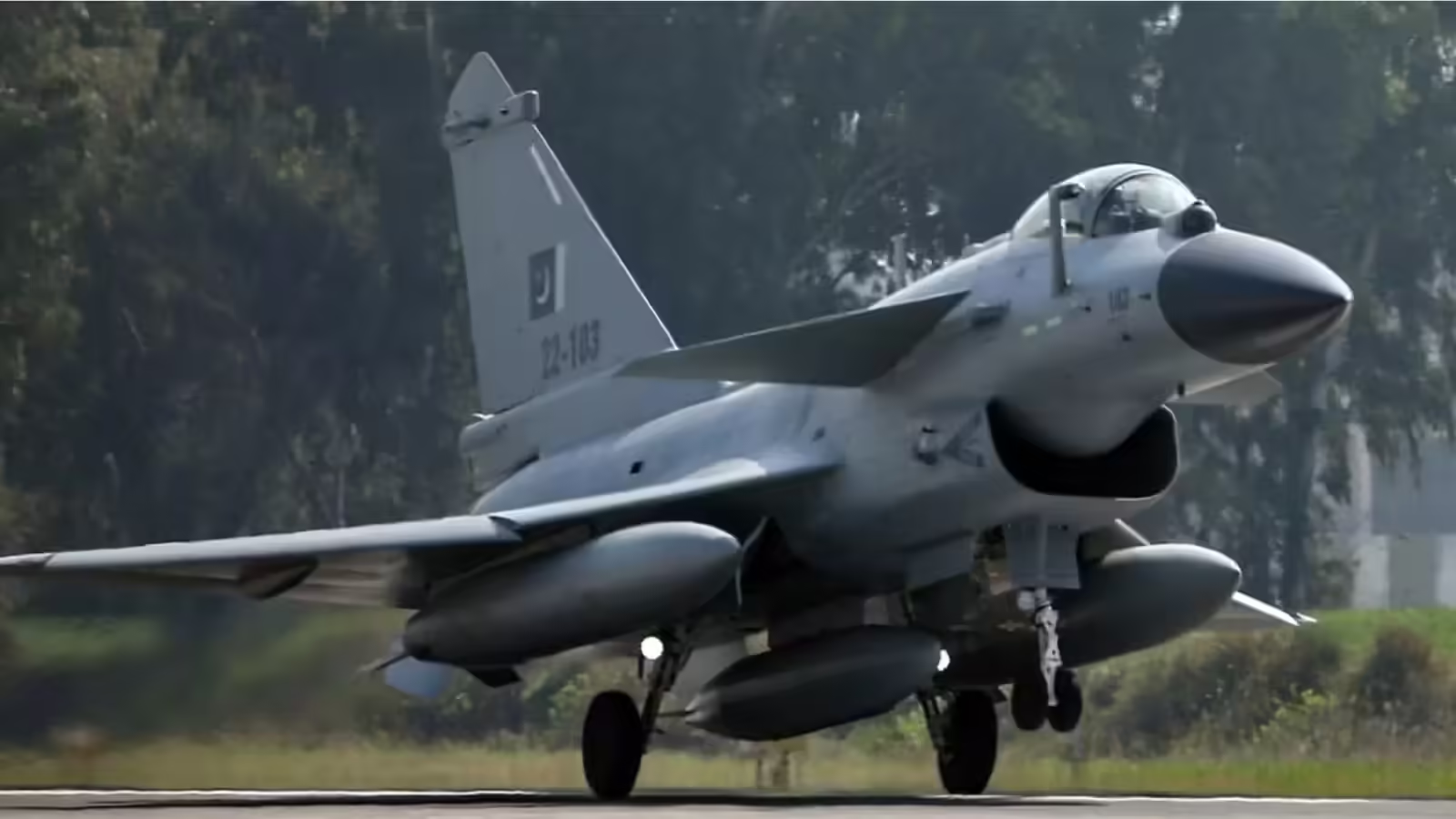
The Rafale deal has become a significant topic of discussion in the context of regional security dynamics, particularly concerning India, Pakistan, and China. In 2026, India is poised to finalize its decision on acquiring 114 new jets, a move that has raised concerns in Pakistan. The potential enhancement of India’s air power is perceived as a challenge to Pakistan’s military capabilities, prompting anxiety among its defense strategists. The Rafale jets, known for their advanced technology and versatility, could significantly bolster India’s aerial combat abilities, thereby shifting the balance of power in the region.
In light of these developments, Pakistan’s military leadership, particularly Chief of Army Staff General Asim Munir, has reportedly sought refuge in China. This move indicates Pakistan’s attempt to strengthen its military alliances and seek support from its traditional ally amid rising tensions with India. China, being a key partner in Pakistan’s defense strategy, may play a crucial role in countering India’s military advancements. The relationship between these two nations is expected to deepen further as they collaborate to address perceived threats from India.
The implications of the Rafale deal extend beyond military considerations; they also affect diplomatic relations in South Asia. As India continues to modernize its defense forces, Pakistan is likely to respond with its own military enhancements, potentially leading to an arms race in the region. The situation calls for careful monitoring by international observers, as any escalation could have serious consequences for regional stability. Diplomatic efforts may be necessary to mitigate tensions and foster dialogue between the nations, ensuring that the focus remains on peace and stability rather than military confrontation.