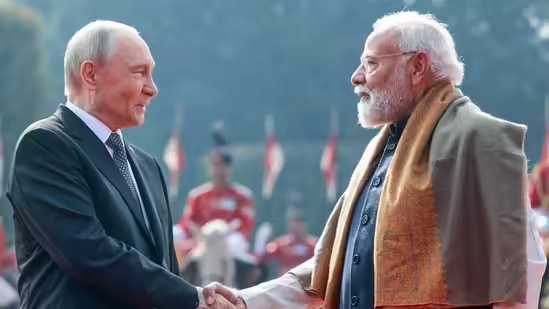
Russian President Vladimir Putin’s recent visit to India has raised significant concerns in Pakistan, particularly among analysts and experts who are closely monitoring the geopolitical implications of this development. The visit is seen as a strengthening of ties between Russia and India, which could potentially alter the balance of power in the region. Experts in Pakistan have expressed their apprehension, indicating that such diplomatic engagements may lead to increased strategic cooperation between India and Russia, impacting Pakistan’s security dynamics.
One notable response from these analysts highlights the ongoing challenges Pakistan faces in maintaining its own international relations and defense posture. They have metaphorically suggested that despite any actions or protests – akin to whistling in frustration – Pakistan’s concerns may not deter Russia from pursuing its interests in India. This sentiment reflects a broader anxiety in Islamabad regarding the shifting alliances and the potential implications for Pakistan’s foreign policy and security strategy.
Furthermore, the expert commentary underscores the need for Pakistan to reassess its diplomatic strategies in light of evolving global dynamics. As India continues to strengthen its ties with major powers like Russia, Pakistan may need to explore new partnerships and reinforce its own strategic alliances to counterbalance these developments. The visit of President Putin to India is thus not just a bilateral engagement but a signal of the changing geopolitical landscape in South Asia, which could have lasting repercussions for Pakistan’s role and influence in the region.