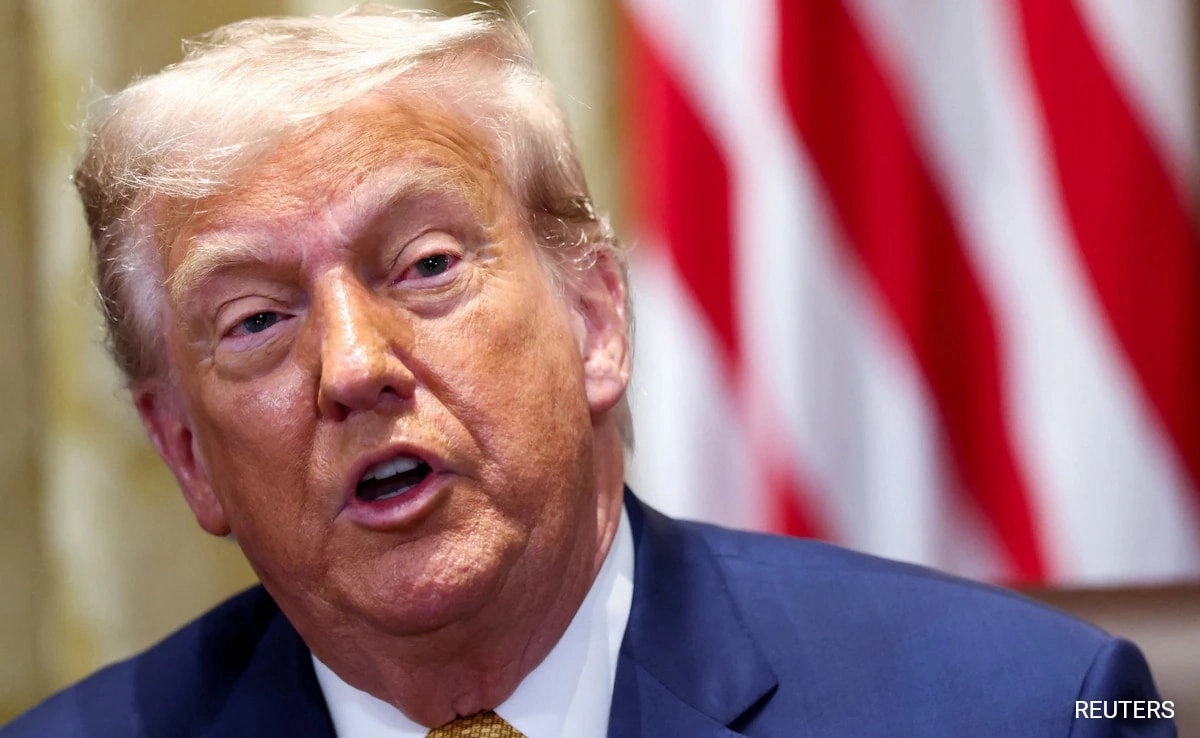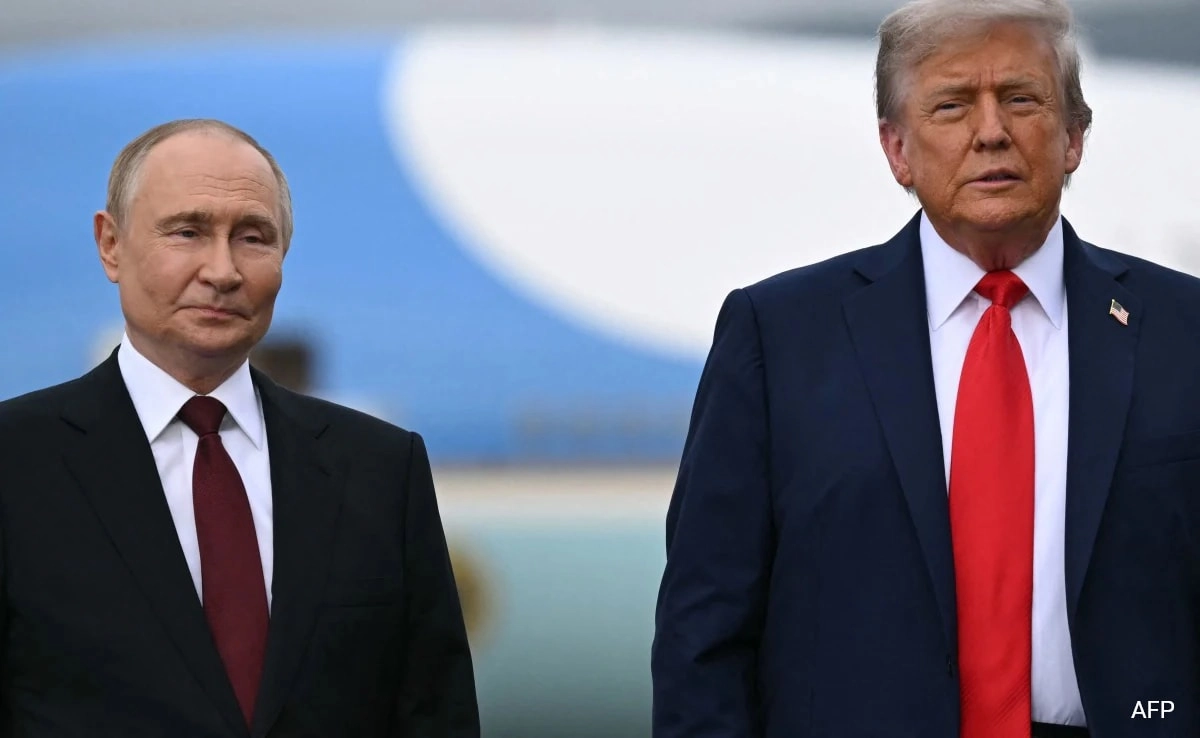
In a recent statement, Russian President Vladimir Putin emphasized the importance of open dialogue in international relations, particularly highlighting the significance of his meetings with former U.S. President Donald Trump. Putin described their discussions as “very frank talks,” suggesting that such candid conversations play a crucial role in bridging gaps between nations and fostering understanding. He believes that these direct exchanges are essential for making informed decisions that can lead to better diplomatic outcomes.
Putin’s remarks reflect a broader perspective on the dynamics of global politics, where transparency and honesty can often lead to more fruitful negotiations. By engaging in straightforward discussions, leaders can address contentious issues without the cloud of misunderstanding that often complicates international dealings. This approach, as articulated by Putin, underscores the necessity of personal interactions between leaders, particularly when dealing with complex geopolitical challenges that require nuanced solutions.
Moreover, the former Russian president’s comments serve as a reminder of the delicate balance in U.S.-Russia relations. The history of interactions between the two superpowers has been marked by periods of tension and confrontation. However, Putin’s assertion that frank discussions could lead to closer decision-making indicates a desire for a more collaborative approach to resolving differences. It suggests that, despite their divergent interests, there is potential for constructive dialogue that could benefit both nations and contribute to global stability.
Ultimately, Putin’s emphasis on the value of direct communication with Trump illustrates a strategic perspective on diplomacy. Such meetings are not merely ceremonial; they are viewed as vital opportunities to align interests and mitigate conflicts. As global issues continue to evolve, the ability of leaders to engage in honest and open discussions will be increasingly important in shaping the future of international relations.