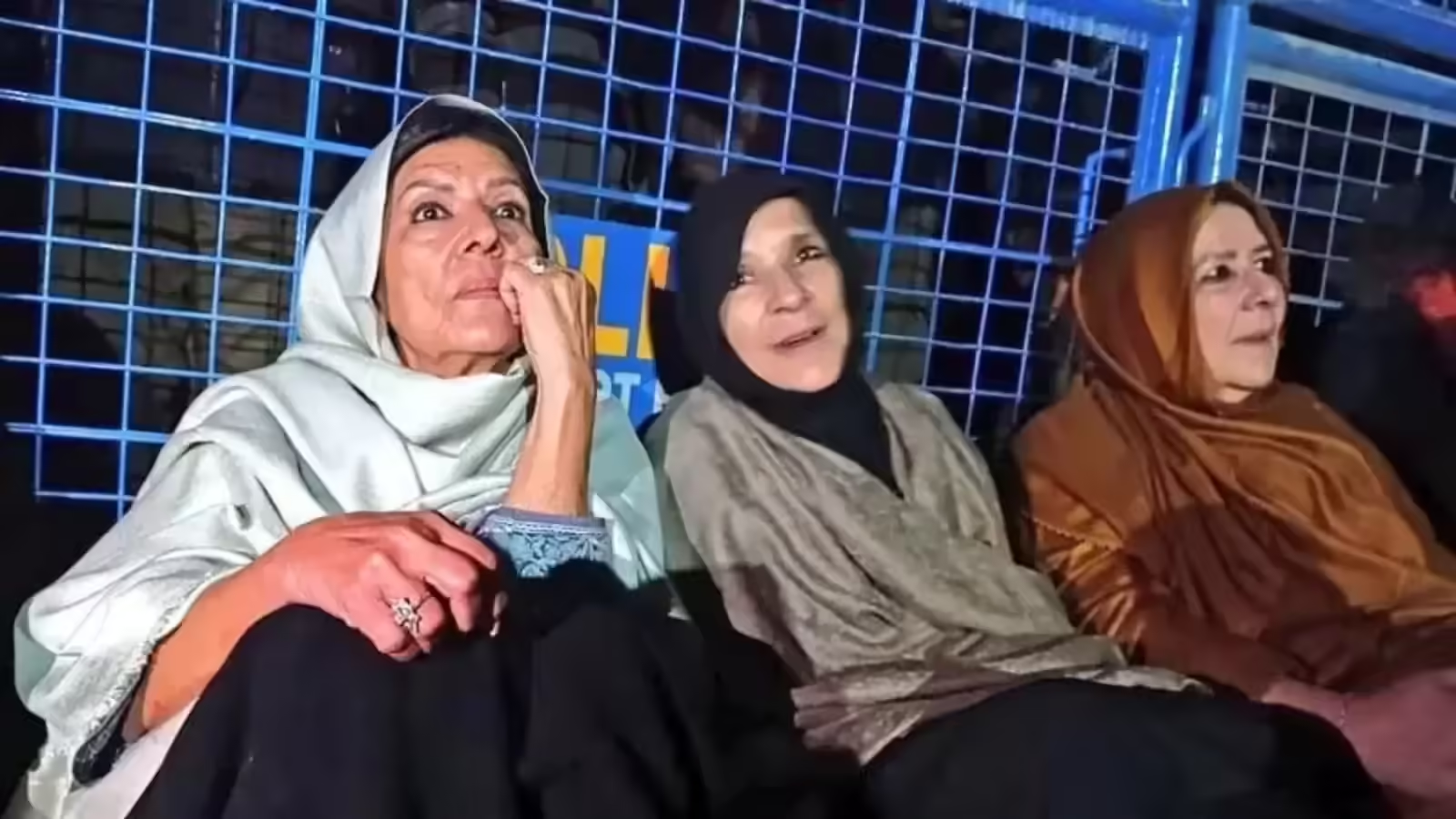
In recent developments in Pakistan, the situation surrounding former Prime Minister Imran Khan has taken a disturbing turn, particularly concerning the treatment of his family members. Reports have emerged indicating that the police have been harassing Imran Khan’s sisters. This troubling situation escalated late at night when electricity was cut off at around 2 AM, leaving the family without power during a time when temperatures were plummeting to around 9 degrees Celsius. Such actions have raised serious concerns about the tactics employed by the authorities against Khan’s family, suggesting a broader pattern of intimidation and harassment.
The involvement of the Pakistan Army in these events has also been highlighted. As the political landscape in the country remains tense, the military’s role appears to be increasingly pronounced, raising questions about its influence over civil governance and human rights. The decision to deprive citizens, including Khan’s family, of basic utilities like electricity during the night, especially in harsh weather conditions, reflects a concerning approach to dissent and opposition. Many observers are alarmed by the potential implications of such actions for civil liberties in Pakistan.
This situation not only sheds light on the challenges faced by political figures and their families in Pakistan but also elicits a broader discussion about the state of democracy and the rule of law in the country. The treatment of Imran Khan’s sisters raises critical questions about the limits of government authority and the protection of individual rights. As the situation continues to unfold, it remains essential for both local and international communities to monitor these developments closely, advocating for the protection of civil rights and the prevention of political reprisals against families of political leaders.